
Word of the Year 2025

If 2025’s words of the year are anything to go by, we’ve spent it getting attached to strangers, arguing online, and wading through AI slop. Not exactly a glowing report on modern life.
Several major dictionaries have announced their choices, and AI and social media dominate the list. Some neatly describe familiar behaviour, while others make me despair a little.
Here are five of the winners, along with my thoughts on what they say about the year.
Cambridge Dictionary: Parasocial

Parasocial describes a connection someone feels with a famous person they don’t know, a fictional character, or an AI. It can feel personal, even though the other side doesn’t know them in return.
Cambridge chose it after searches for the word rose sharply during 2025. Those spikes suggest people weren’t just seeing it more often. They were looking for a name for an experience they already recognised.
Social media makes it easy to follow public figures closely, and chatbots can reply in ways that feel personal. Parasocial now describes both kinds of connection. That wider meaning helps explain why the word felt so relevant this year. It doesn’t mean every fan relationship is unhealthy. It simply gives us a way to talk about a closeness that isn’t mutual.
Collins Dictionary: Vibe coding

Vibe coding is using AI to create software by describing what you want in everyday language. Instead of writing every line yourself, you explain the idea and let the AI turn it into a first version.
Collins credits Andrej Karpathy with popularising the term. He used it to describe making things with AI without worrying too much about the code. I can see the appeal — you can get an idea off the ground quickly, even if you’ve never coded before. The tricky bit is knowing whether the result actually works as it should.
That’s the part worth keeping in mind. AI can make it quicker to turn an idea into code, but it doesn’t take responsibility for the result. If you’re building something people will rely on, you still need to know what it’s doing, test it properly, and be ready to maintain it.
Dictionary.com: 67

67, usually pronounced “six-seven”, is slang that can seem to mean whatever the moment needs. Dictionary.com says it can mean “so-so” or “maybe this, maybe that”. Sometimes the joke is simply saying it and watching adults try to work it out.
Searches rose more than sixfold from June 2025, which helps explain why it was picked. The phrase is thought to come from Skrilla’s song “Doot Doot (6 7)”. From there, it spread quickly, and teachers were soon swapping tips for getting students to stop saying it.
I still find it the least convincing of the five. The lack of a clear meaning feels like brain rot and sums up much of what frustrates me about social media. Maybe that’s exactly why it works as an in-joke: you either get it, or you don’t.
Oxford Dictionary: Rage bait
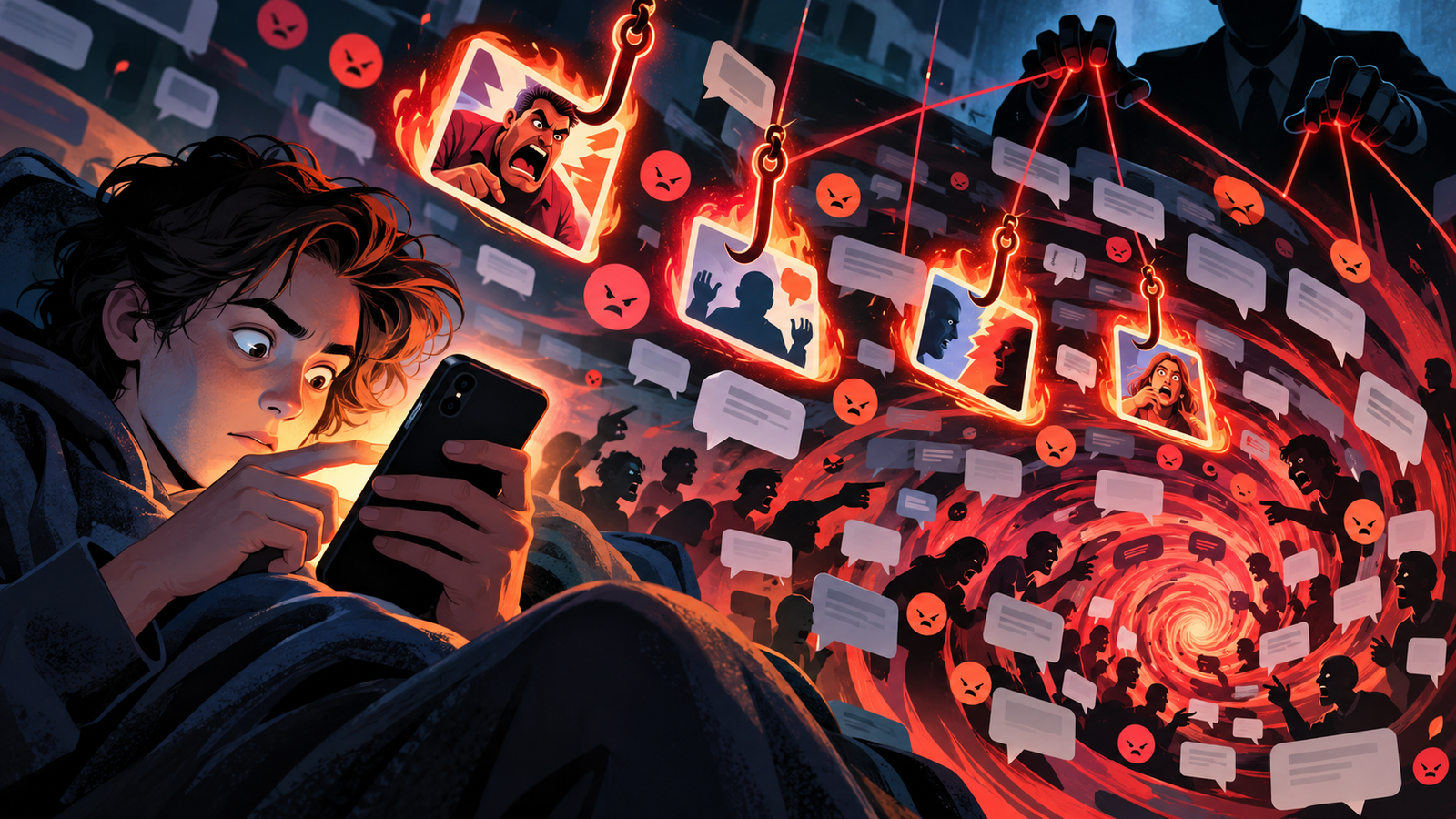
Rage bait is content designed to make people angry enough to react. It might be deliberately annoying, provocative, or offensive. The more replies, shares, and clicks it gets, the better for whoever posted it.
Oxford says use of the phrase tripled in its language data. More than 30,000 people voted, and its experts also considered public reactions. That makes the choice feel apt: the term names a tactic lots of us recognise, and a bigger worry about how online platforms reward the most divisive stuff.
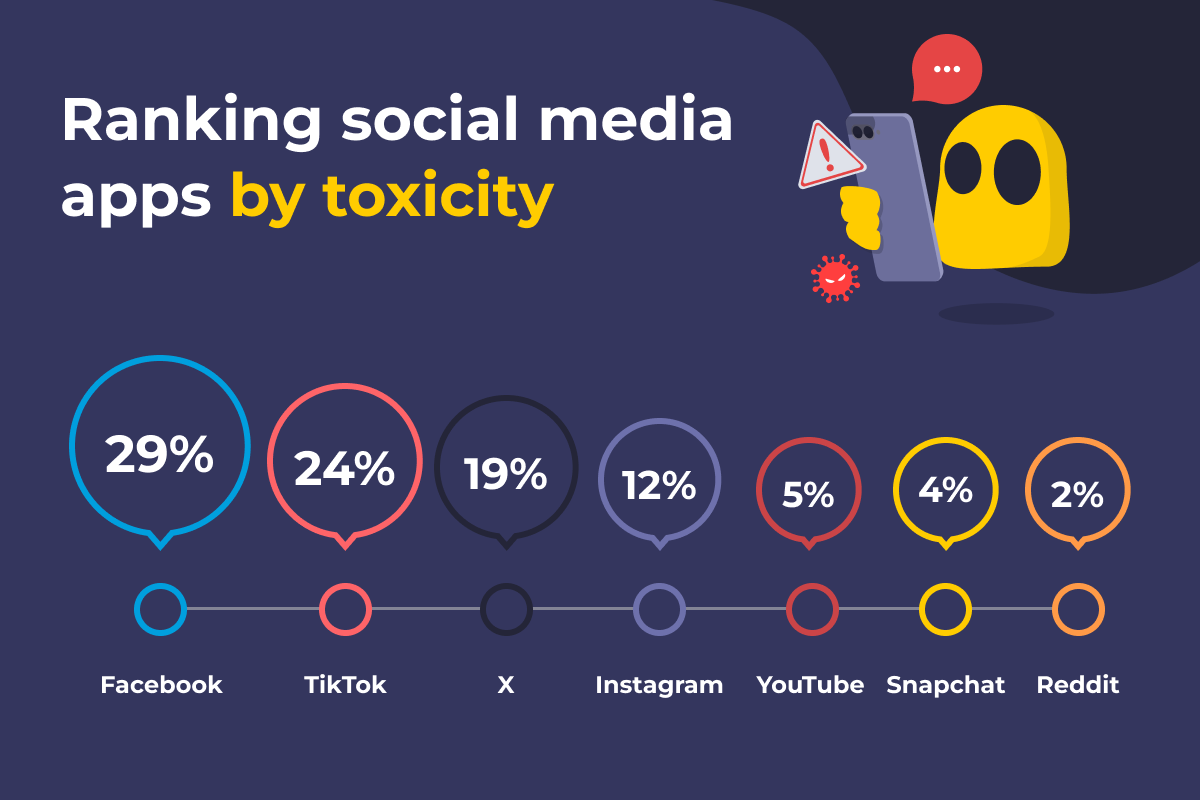
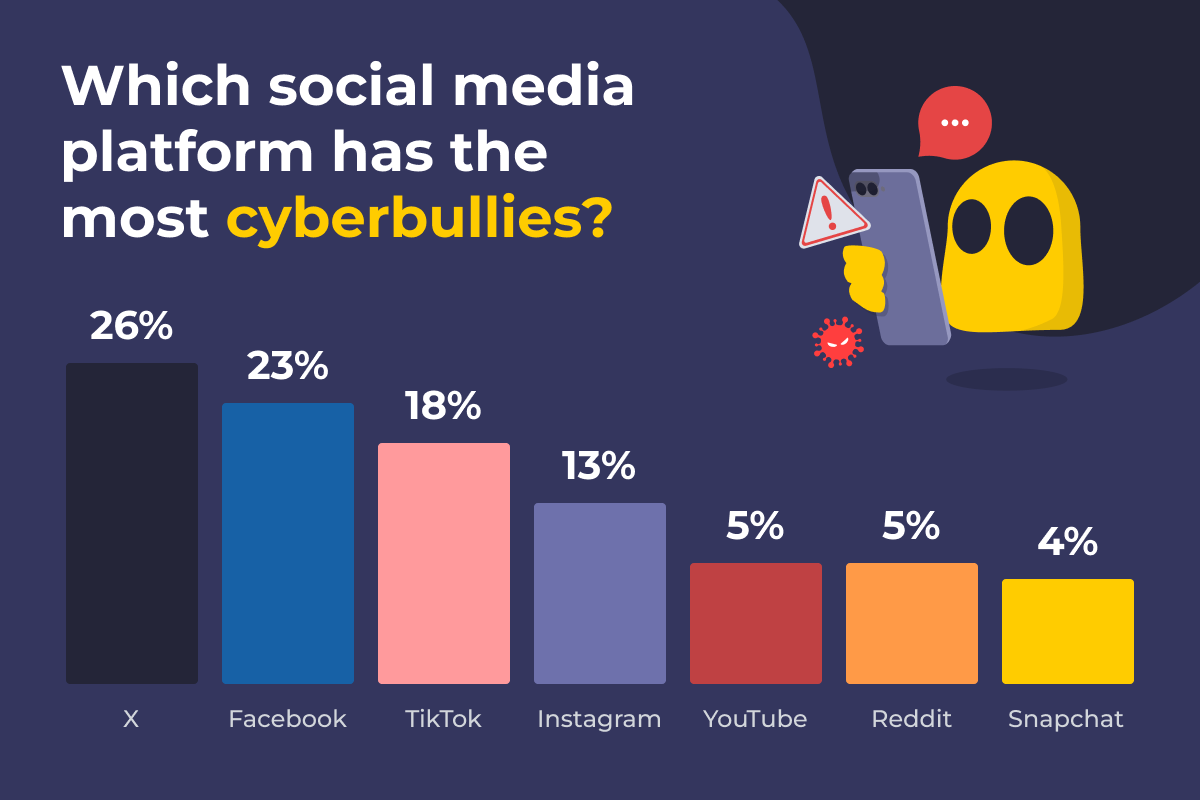
If you’ve spent much time on X, Facebook, or TikTok, you’ve probably come across it. These platforms can reward the posts that provoke the strongest reactions. Even when you know a post is trying to wind you up, it can still be hard to scroll past.
Macquarie Dictionary: AI slop
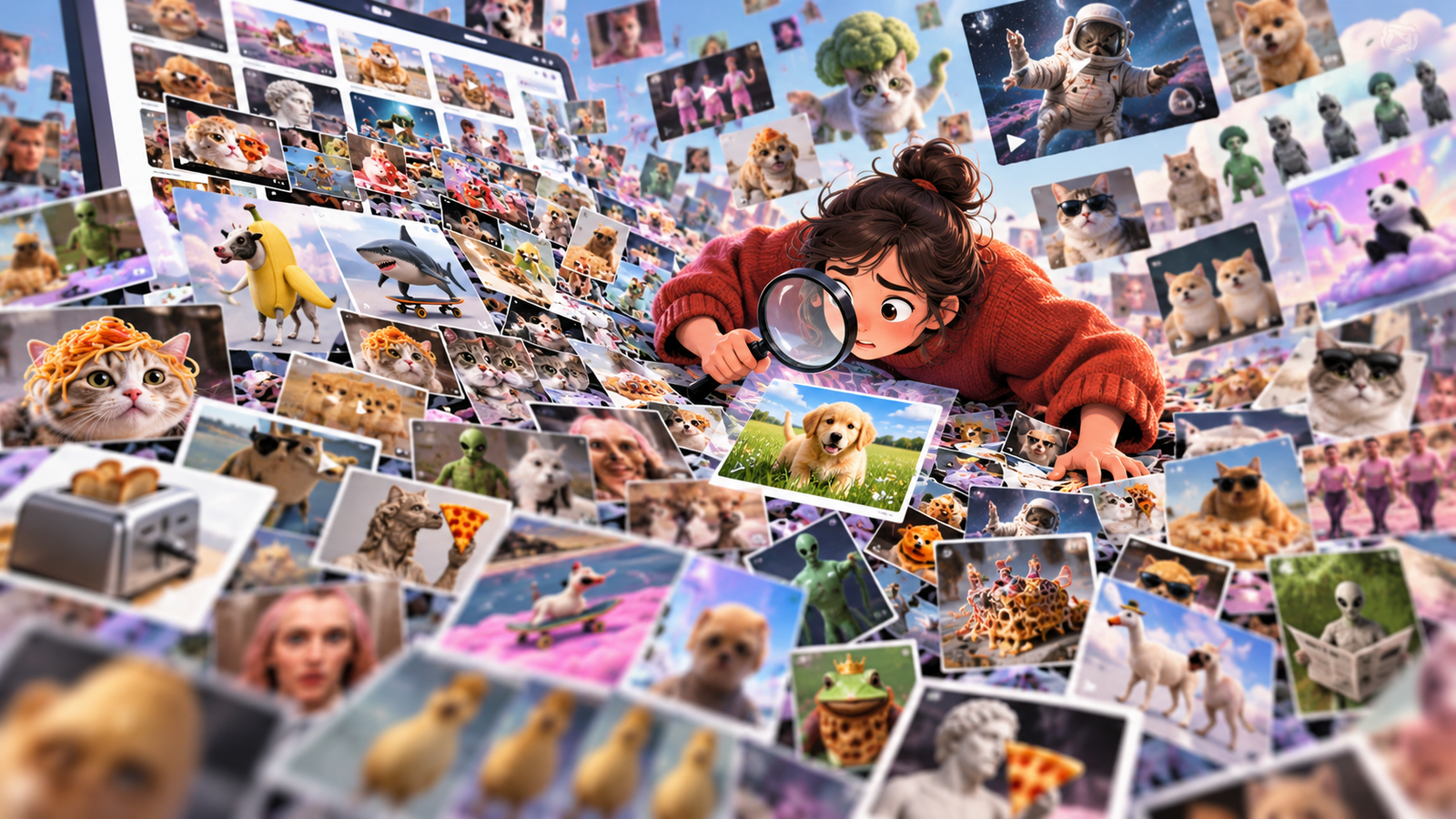
AI slop is low-quality stuff generated by AI. It’s often full of errors or turns up when nobody asked for it. Think strange videos, nonsensical images, or lifeless posts that all say the same thing.
Macquarie says AI’s now hard to separate from daily life. This year, its Committee and the public picked the same term, which is only the fourth time that’s happened. Its editors even suggest we may need to get better at prompting to find useful information in the flood of slop. Fair point.
I like this one most because AI-generated content is becoming harder to avoid. Some of it can be amusing, but the sheer volume is the problem. As the tools get easier to use, I suspect the flood of low-quality material will keep growing. It’s getting harder to find the thoughtful and useful stuff among it.
What these choices say about 2025
AI and social media shaped all five picks, whether through new ways of writing code, online slang, outrage-driven posts, or computer-generated content. Together, they show how quickly technology moves from niche topic into everyday language. There is a small technicality, though: four of the choices are phrases or a number, while only parasocial is a single word. Perhaps “term of the year” would be more accurate.
Which of these choices do you think will still feel relevant a few years from now?


