
Excel turns 41 today, but what does the future hold?

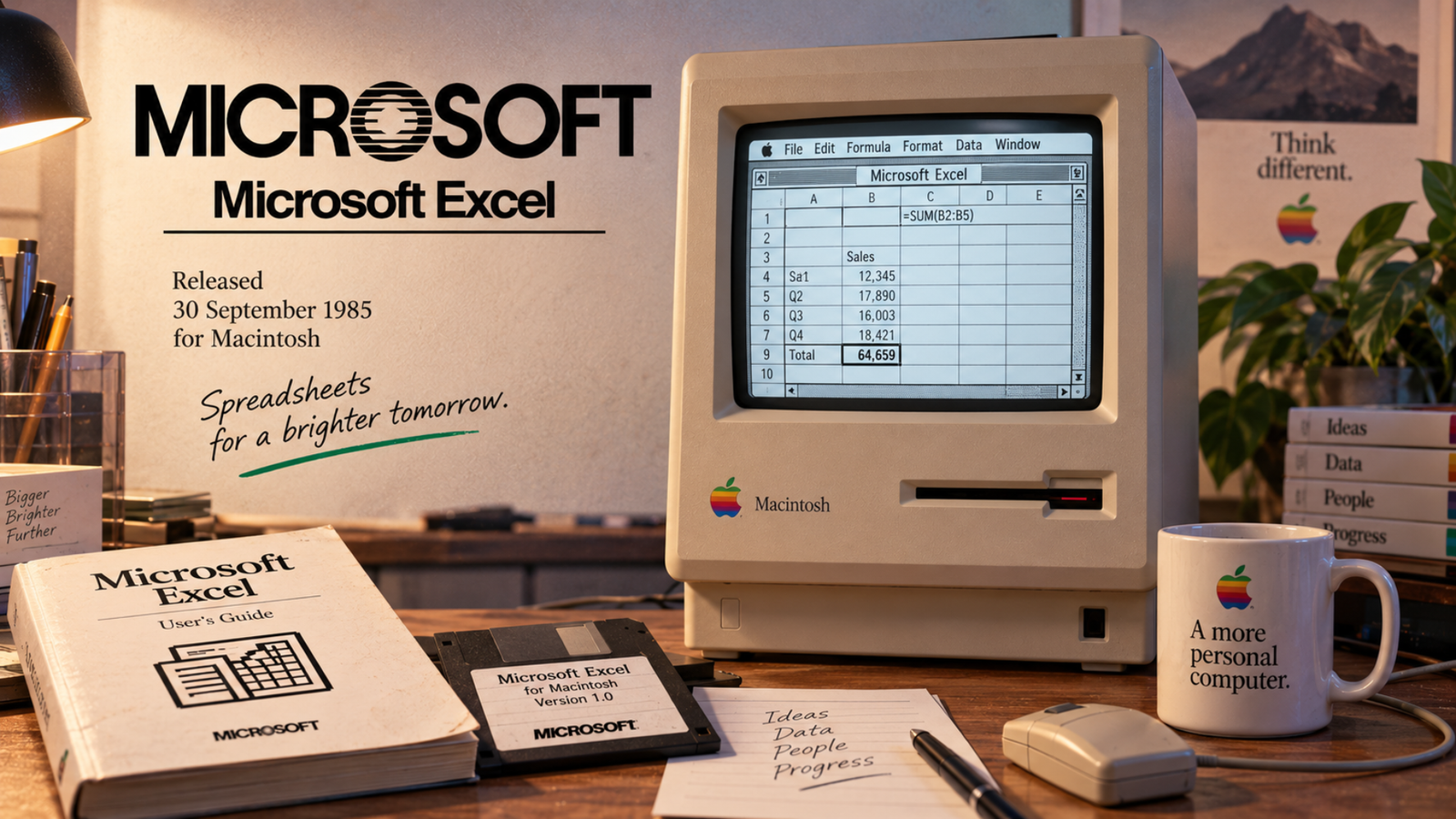
I wonder where Excel will be in 4.1 years, let alone 41.
The last couple of years have been dominated by Copilot updates, so it’s easy to see the direction of travel. After all, we’re living in a rapidly changing world, and it would be foolish for Excel not to jump on the AI bandwagon.
The pace of change in software feels faster than ever. For a while now, I’ve found myself installing updates to my ChatGPT desktop app several times a week, while new AI models seem to be coming out faster than ever. Excel has moved on from the days of perpetual versions, when we had to wait years for new features and functions, but its non-Copilot updates are still far less frequent and less significant most of the time.
Clearly, there remains a lot to sort out: the dated formula bar, the conditional formatting system, and the lack of a VBA alternative remain three of the big ones.
Copilot is only as capable as Excel allows it to be, so Excel’s current limitations may hold it back in an increasingly prompt-based and vibe code-driven world.
I suggested a few weeks ago that Excel ought to be rebuilt from scratch. There are obviously compatibility nightmares associated with that idea, but there are also plenty of people and businesses who don’t want to be hamstrung by a program predicated on decades’ worth of code.
Excel’s new lists feature, which allows a cell to contain multiple values, is an interesting addition. It breaks the eternal spreadsheet rule that says one cell can only have one value. I don’t know anyone who asked for this, but it appeared nevertheless.
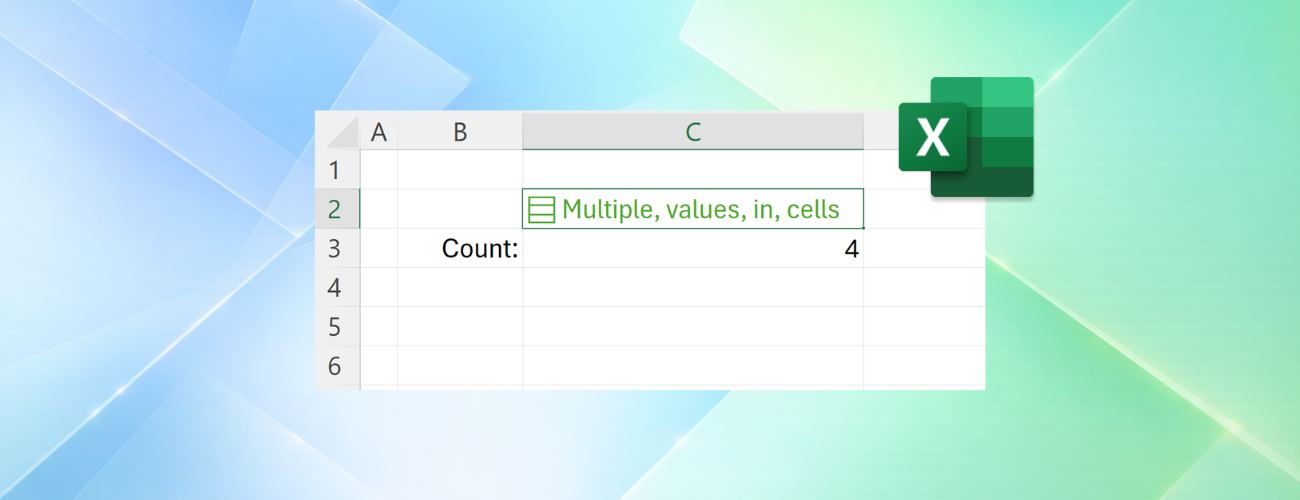
I don’t know what the roadmap has in store for us, but hopefully we’ll get some more cool, radical stuff like that.
One thing I’d like Excel to have is proper real-time capabilities, with web-based data staying synchronised automatically instead of having to hit that dreaded refresh button.
People love the flexibility a spreadsheet gives them, and that simply can’t be replicated in an AI chatbot. Having said that, Excel will need to improve and innovate at a much faster rate than it has in recent times to remain the software staple it’s been for so long.
Anyway, enough of that.
Let’s just celebrate the fact it’s been around for as long as it has, rather than worrying about what the ‘Excel is dead’ brigade are saying. 🙄