Beyond Old Trafford: a first visit to Carrington

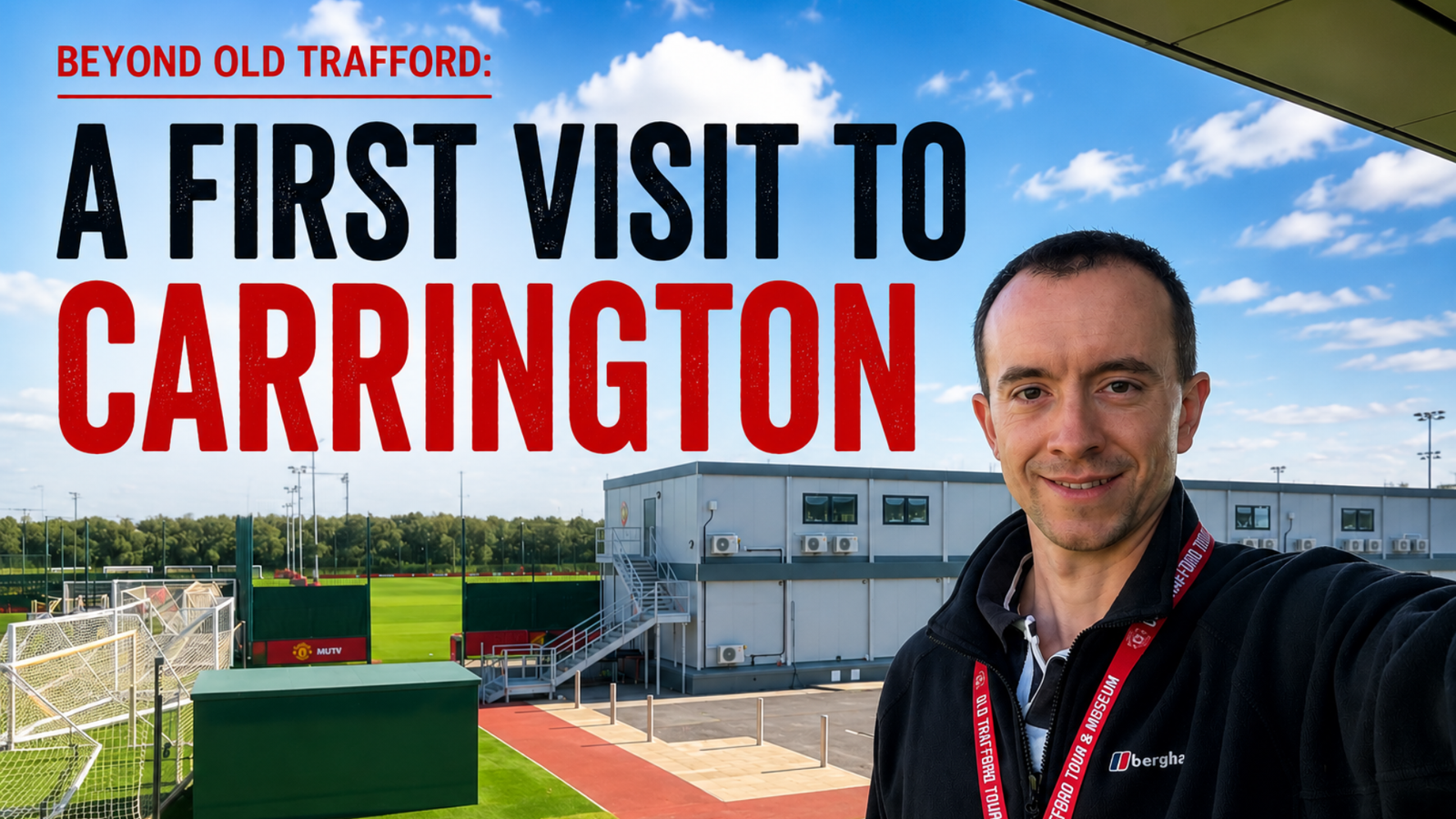
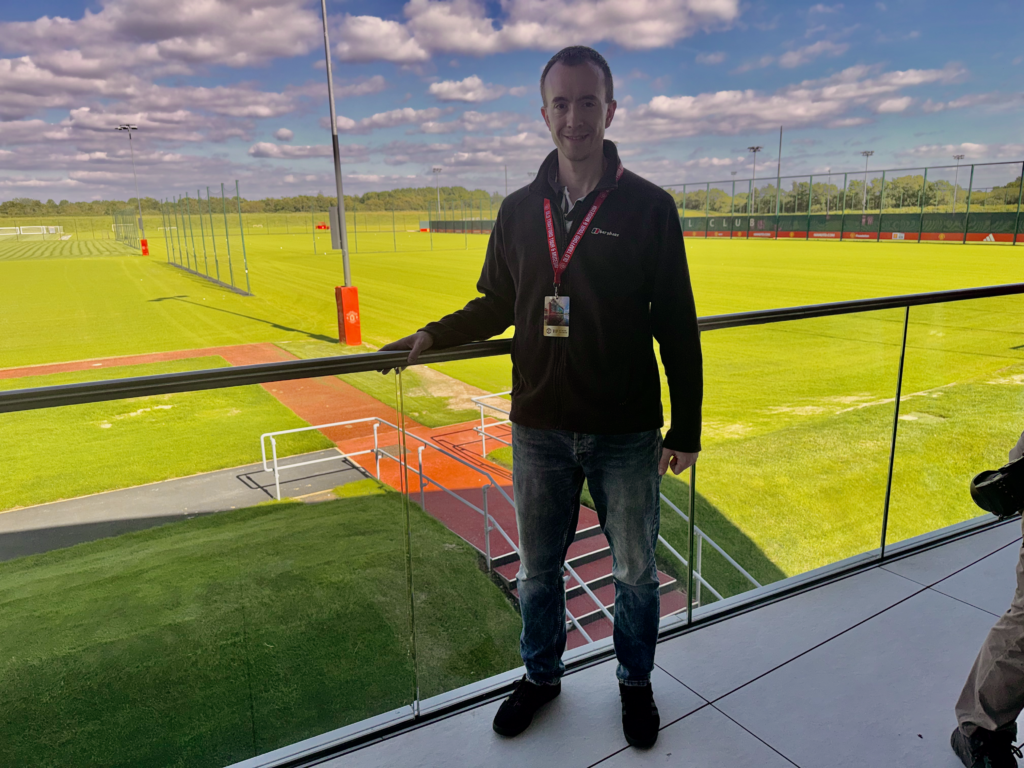
On Sunday, I visited a Premier League training ground for the first time.
I’ve been to plenty of football stadiums over the years, but this was something different.
The visit was part of Manchester United’s new stadium, museum, and training ground tour package. I’d actually already done the stadium and museum tour three times before, with my first visit stretching all the way back to 2001. However, this was my first opportunity to visit the Carrington Training Complex, which underwent a £50 million refurbishment last year.
I was booked onto the 14:30 tour, so I arrived early and spent the hour and a half beforehand exploring the museum.
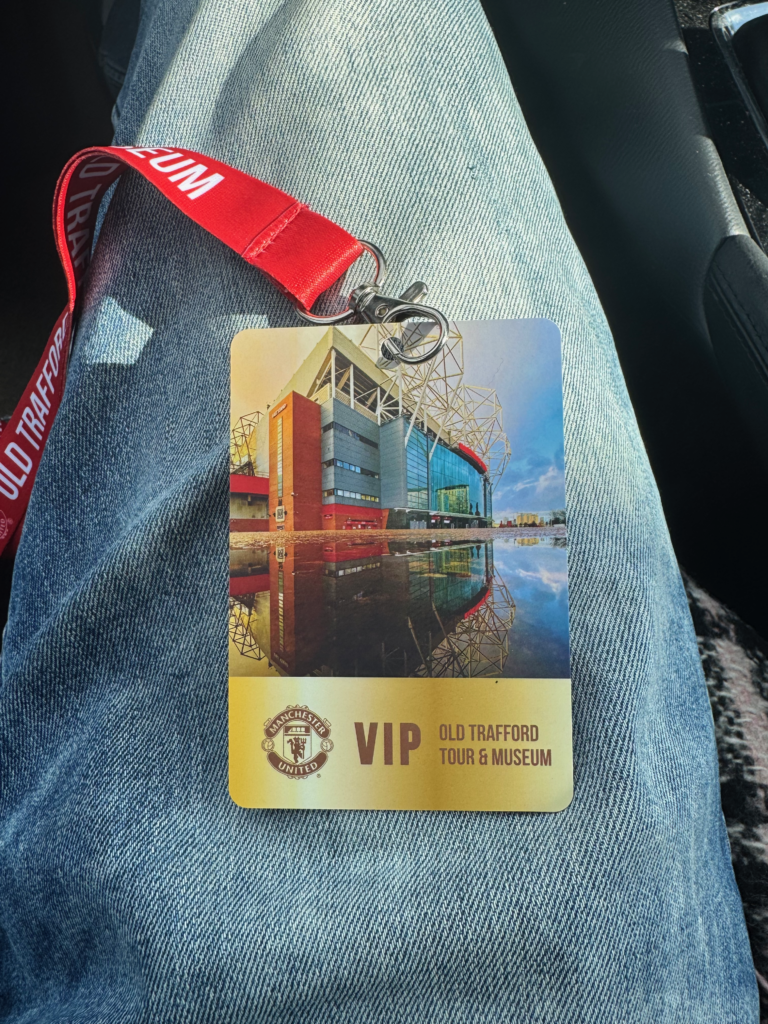
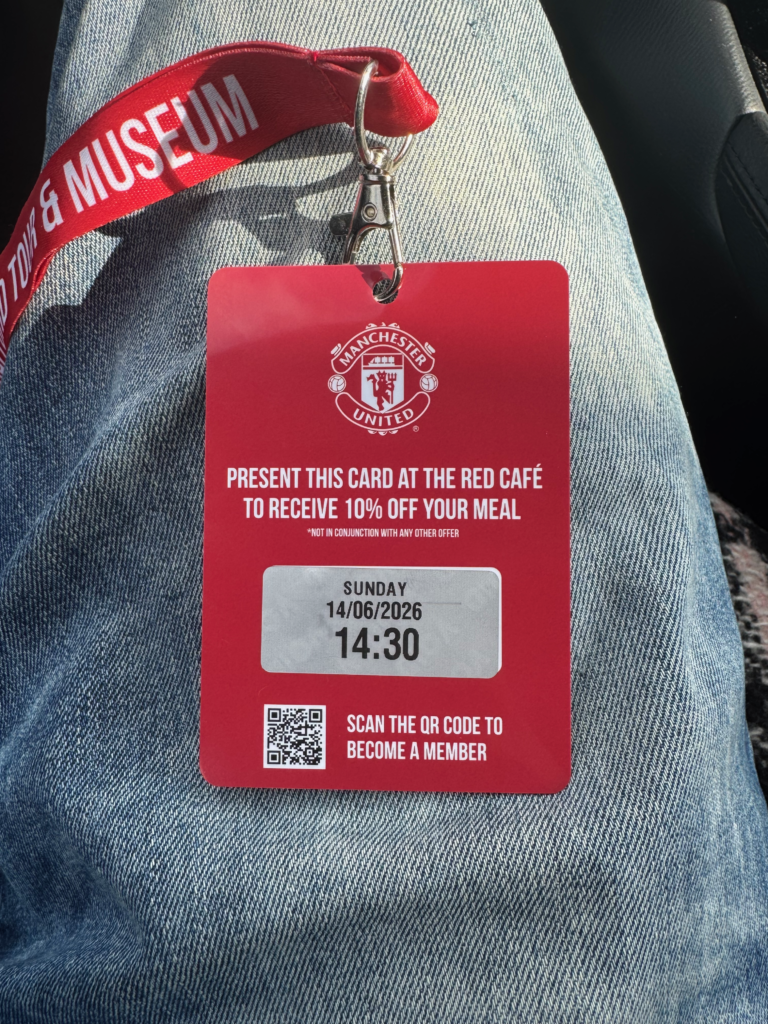
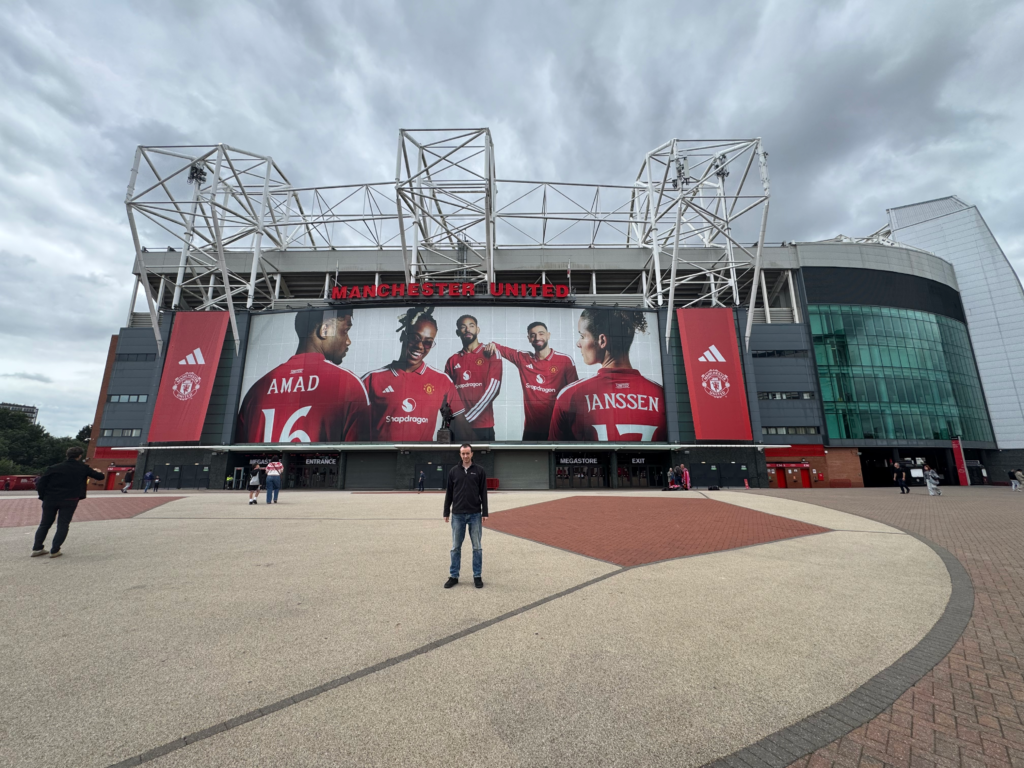
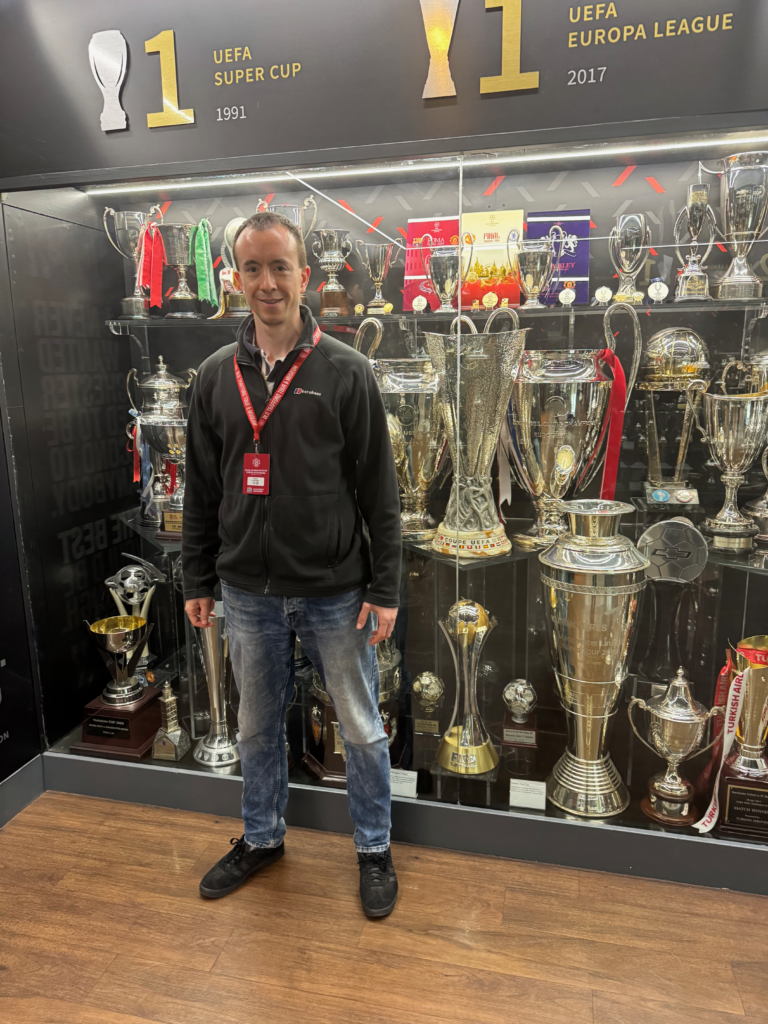
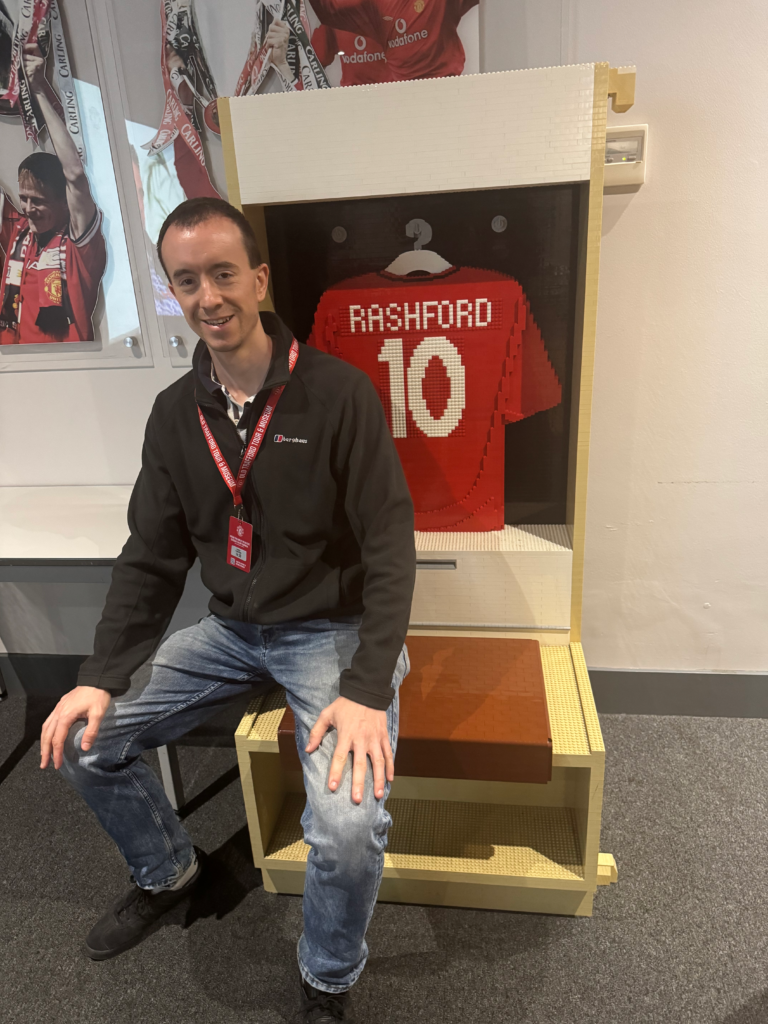
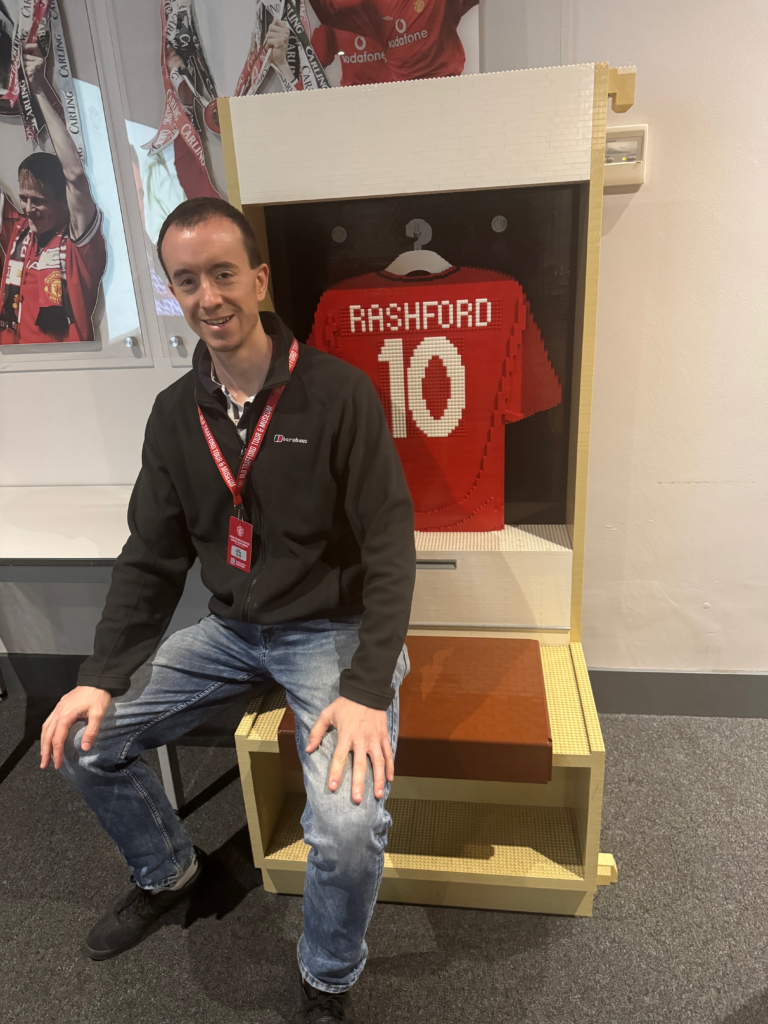
It was a good way to start the day. From the trophy cabinets and memorabilia to the exhibits covering both the highs and lows of Manchester United’s history, there was plenty to take in.
Once the museum visit was over, it was time for the stadium tour itself.
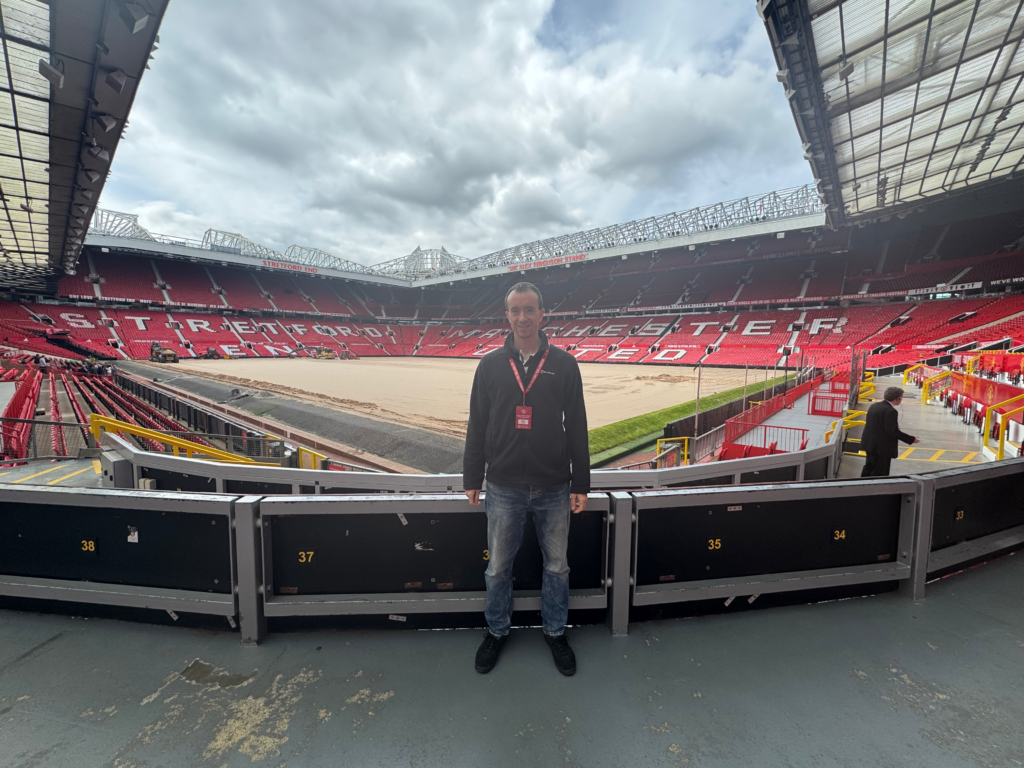
While it was great to be back at Old Trafford, the pitch was being relaid at the time, so it looked quite different from how it does during the season. Nevertheless, it was interesting to revisit familiar areas such as the dugouts, changing rooms, and tunnel. Unfortunately, we couldn’t actually walk down the corner tunnel because of the work going on, so we went through the old one instead.
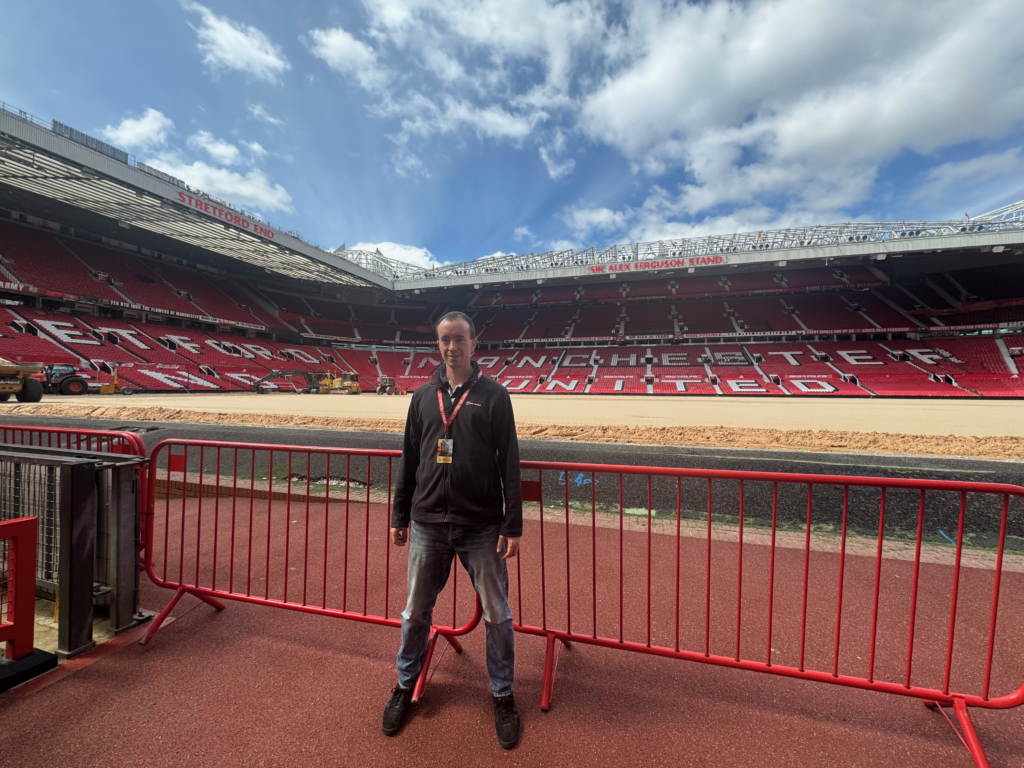
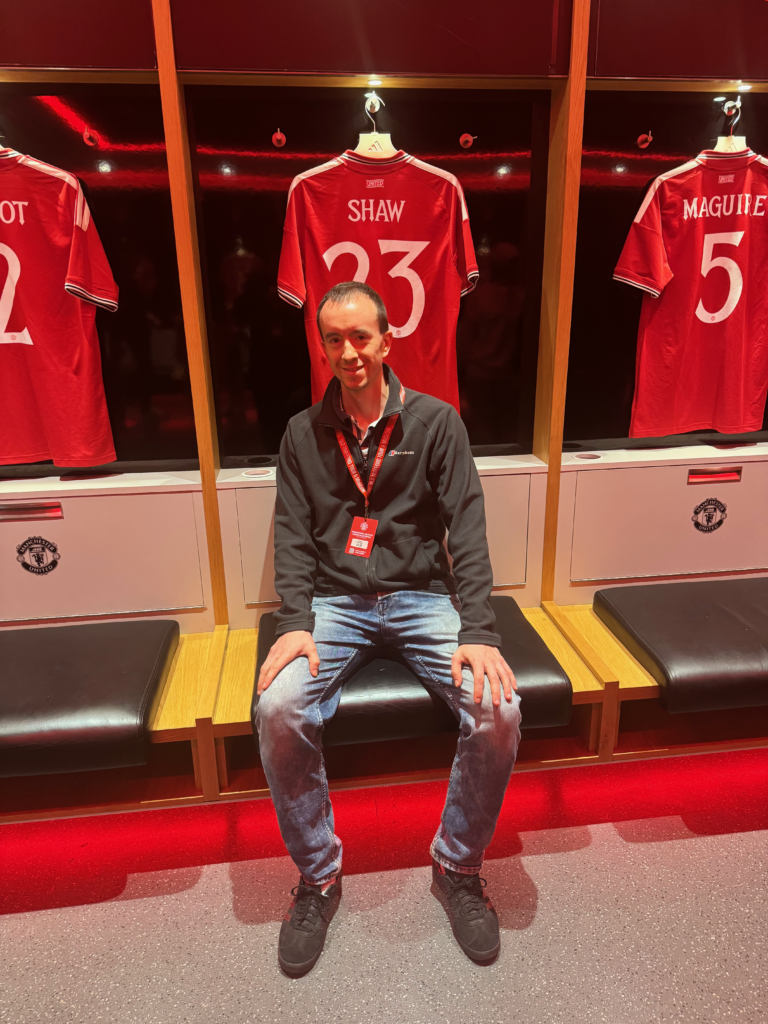
After the stadium tour, we boarded a coach and headed to Carrington, around 20 minutes away.
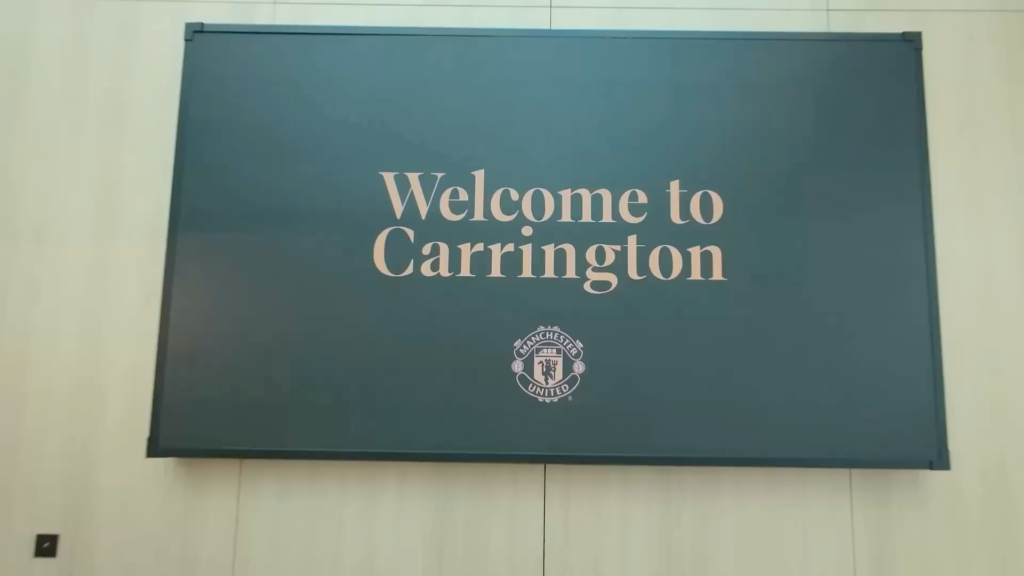
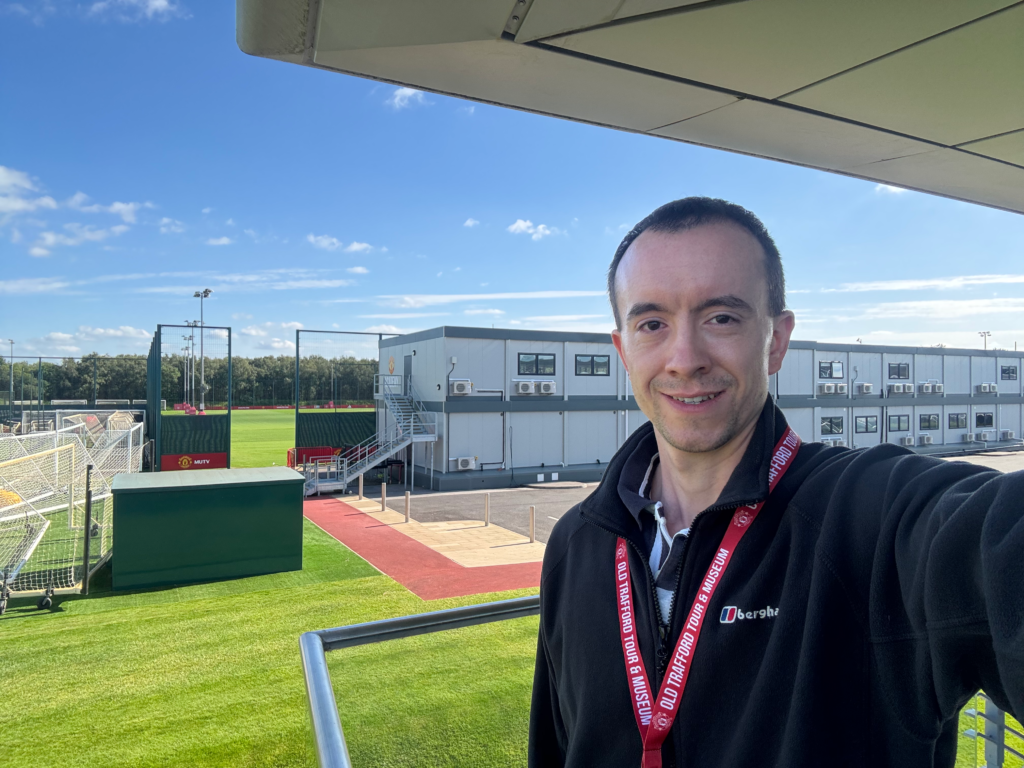
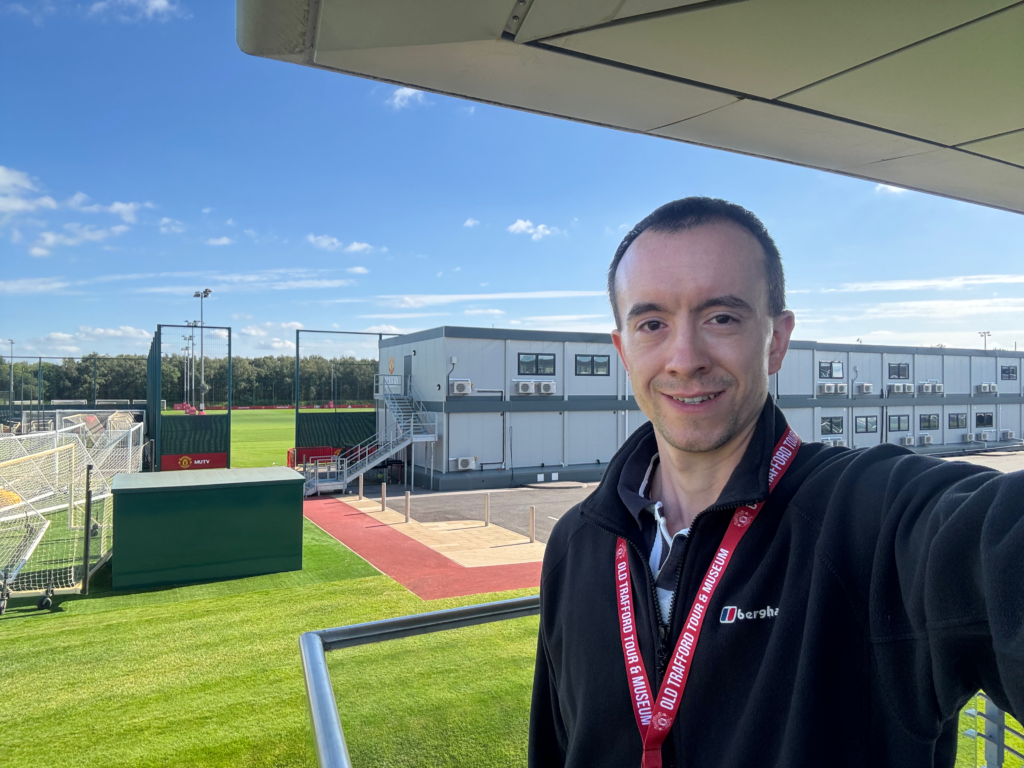
Unlike the stadium, photography was strictly forbidden throughout most of the training ground. Only a handful of designated checkpoints allowed photos to be taken, which is why you’ll see very few of my own from the site itself. I have included a few stock images, though, which should help.
The restrictions were taken seriously, too.
When we entered the changing rooms, there was a beefed-up security guard ready to lash out at anyone taking photos or having a nosey inside the players’ cupboards. Apparently, there may have been valuables inside them, although somewhat surprisingly they couldn’t actually be locked!
The tour guide also told us that the previous day, somebody in another group had been caught wearing a pair of Zuck’s Meta Glasses. It’s unclear what happened afterwards, but it was obvious that the staff had been instructed to take a zero-tolerance approach to photography and filming.
What struck me most was the sheer level of detail that goes into an elite sporting environment. From the outside, it’s easy to imagine a training ground as little more than a collection of pitches and a gym. The reality is very different. Every area seemed to have been carefully designed with a specific purpose in mind.
Among the facilities we were shown were:
- Reception area
- Press area
- First-team changing rooms
- Boot room
- Gym
- Medical facilities
- Canteen
- Leisure area, featuring a pool table, foosball table, and even a barber’s room
And, of course, the immaculate pitches themselves.
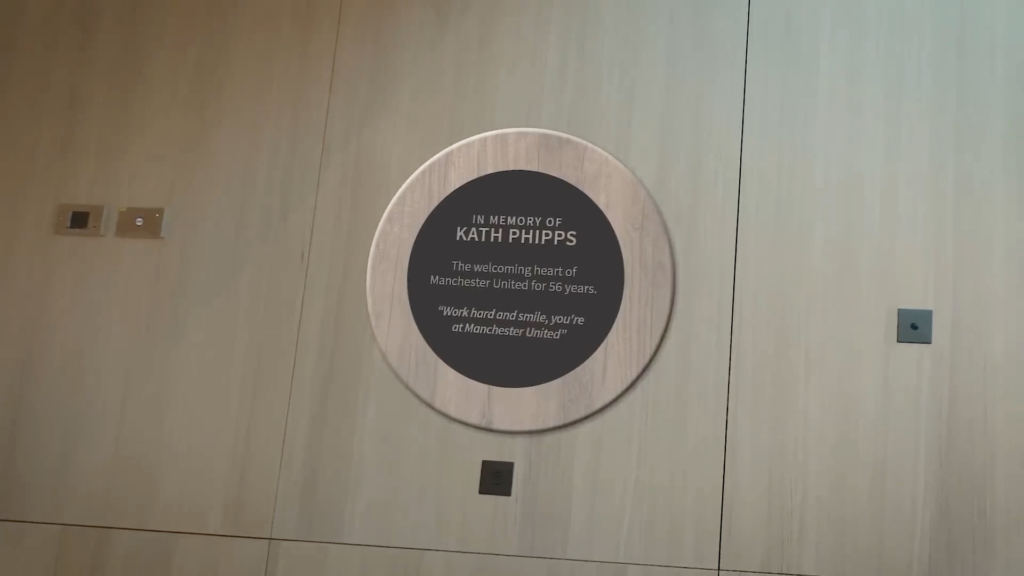
Sir Dave Brailsford was heavily involved in the £50 million redevelopment of Carrington. While he has since stepped away from his role at Manchester United, you could certainly see the influence of the marginal gains philosophy he became famous for during his time with British Cycling and Team Sky.
Rather than relying on one standout feature, the training ground feels like the result of hundreds of small decisions designed to improve preparation, recovery, performance, and wellbeing. Viewed through that lens, the gym, medical facilities, leisure areas, dining spaces, and pitches all feel like parts of a much bigger system.
The leisure spaces were particularly interesting. It’s easy to think of professional footballers spending every minute training, but creating opportunities for players to relax, socialise, and switch off is clearly considered important too.
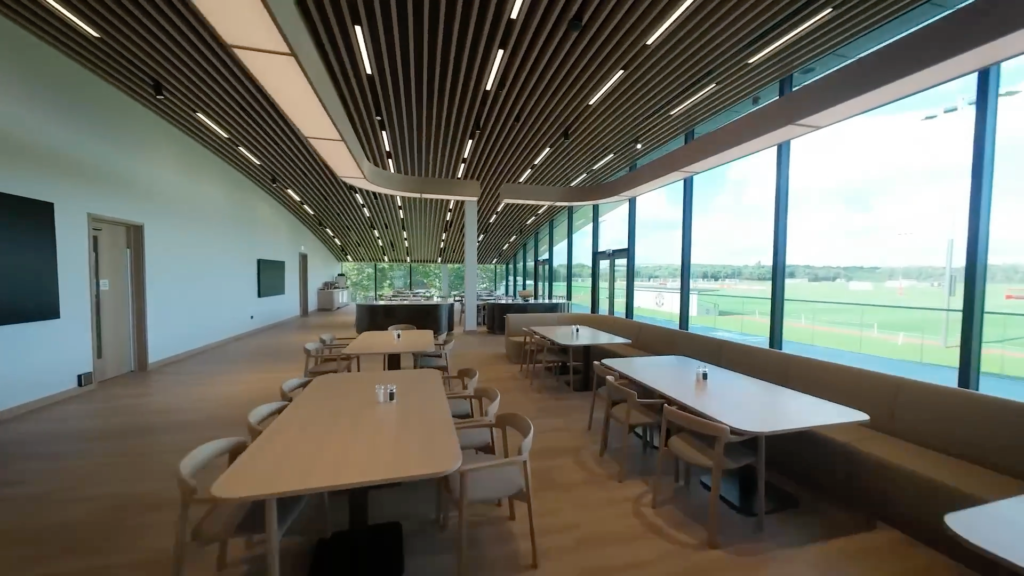
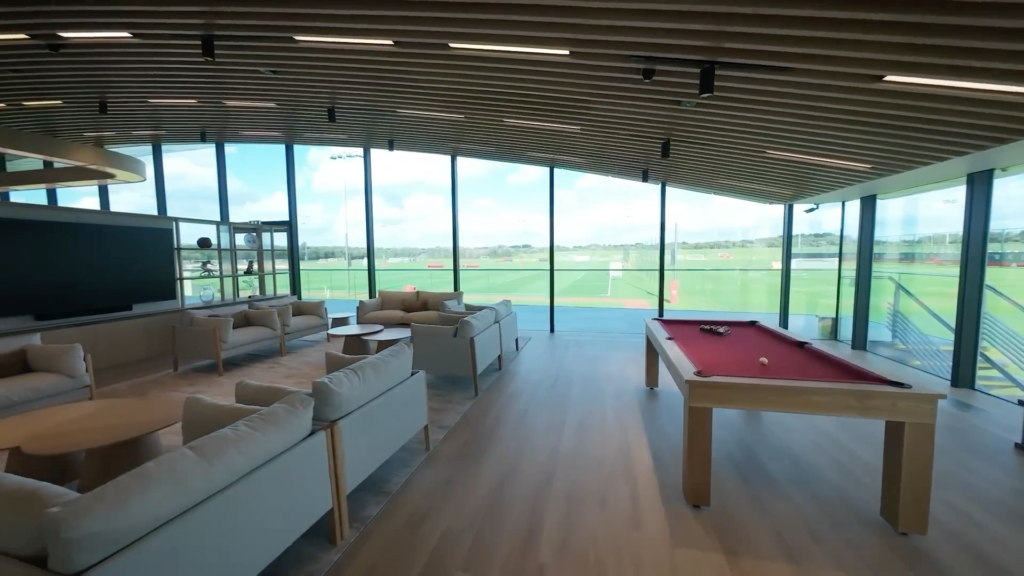
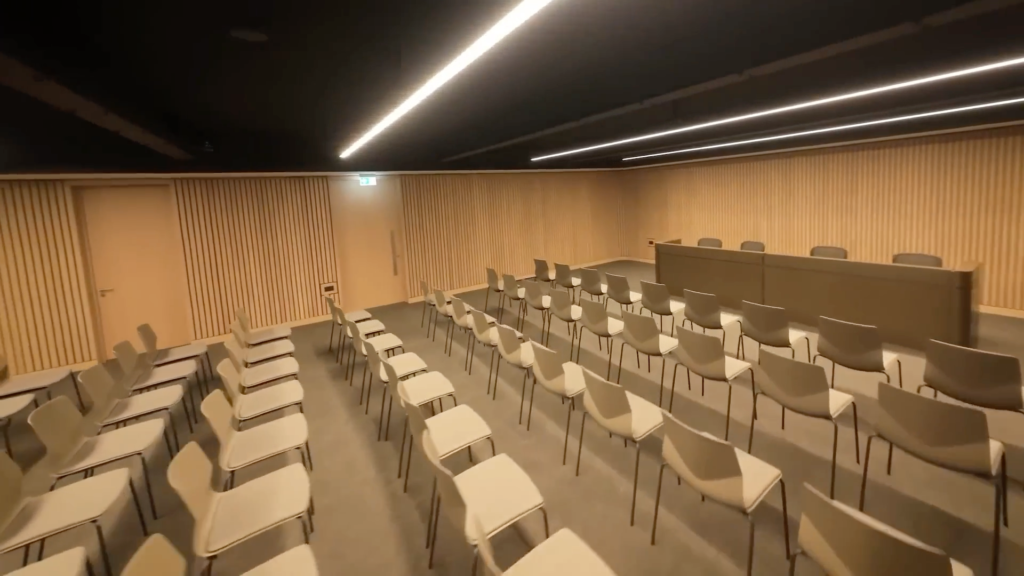
This was only the second day the training ground tours had been running, and one of only six days scheduled this year. That made it feel less like a standard tour and more like a rare opportunity to see behind the curtain at one of the world’s biggest football clubs.
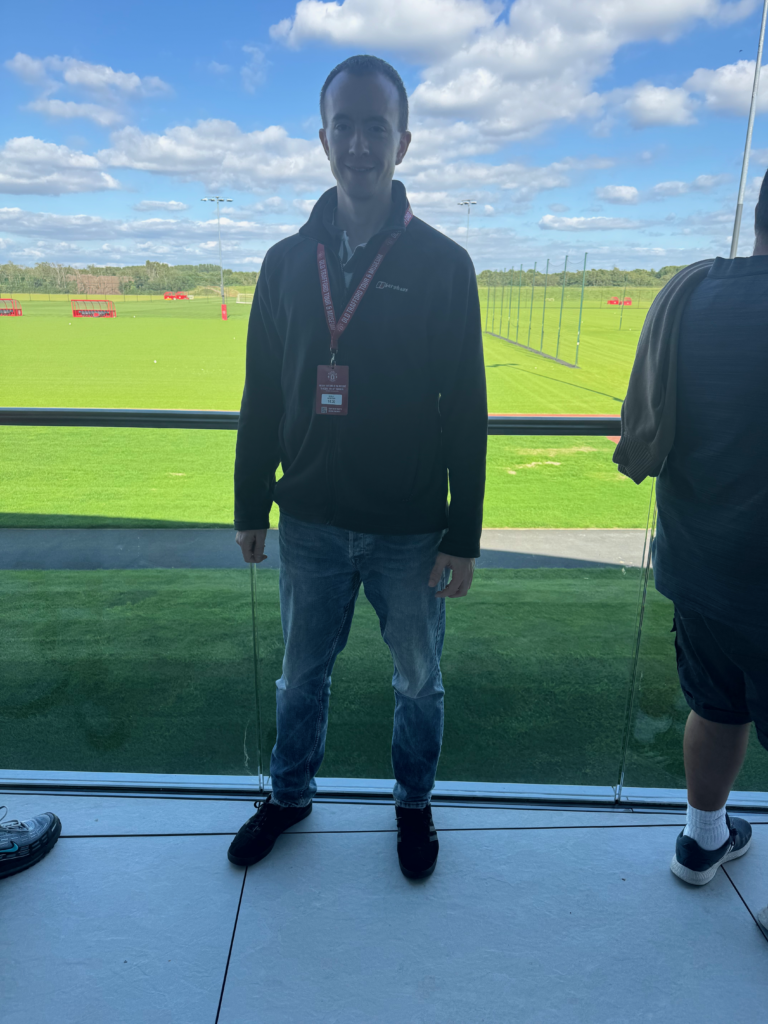
I’ve visited many football stadiums over the years, but this felt different. Matchdays only tell part of the story. Seeing the environment where players train, recover, prepare, and spend much of their time offered a new appreciation for everything that goes on behind the scenes.