When AI images blur the line between satire and reality

During his recent visit to the UK, I sat down with the leader of the free world, President Donald J. Trump, in a pub. The purpose of this diplomatic meeting was to discuss all things spreadsheets and how we can drive up standards.
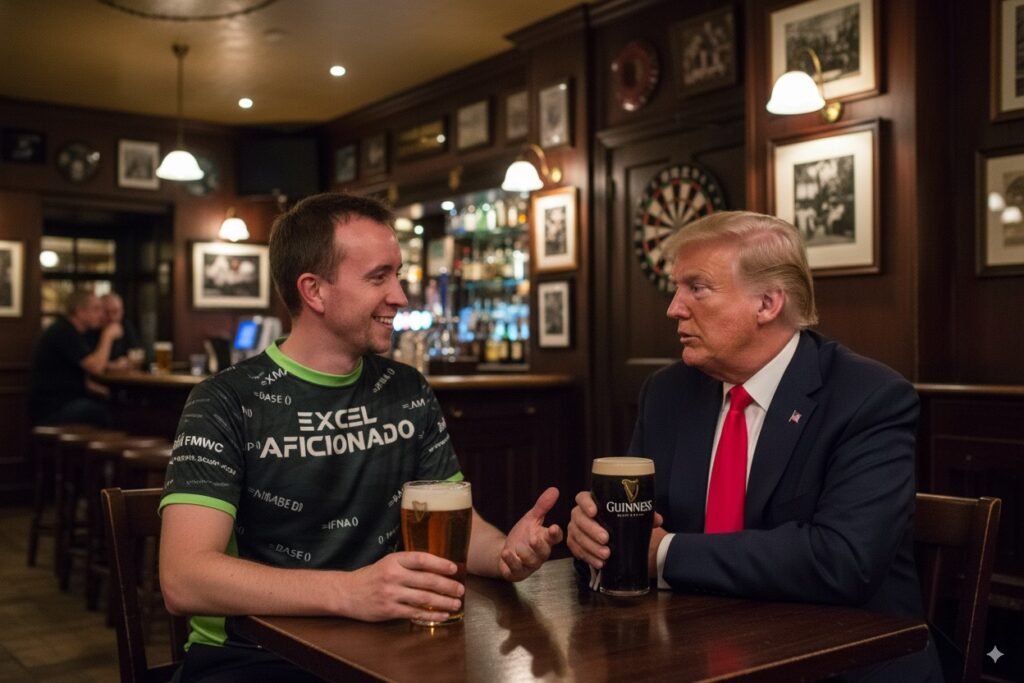
Trump admitted there are far too many “DODGY” and “CORRUPT” spreadsheets that are costing companies “BILLIONS and BILLIONS and BILLIONS of dollars”, and we need to “WIPE THEM OFF THE FACE OF THE EARTH”.
I agreed, but added that we can only do this with a robust plan and global cooperation. In his own country, I suggested he ought to sign an executive order requiring extensive Excel training to be mandatory for all existing white-collar professionals and those in the education system.
Then we really could Make Spreadsheets Great Again…
Aside from the Excel chat, he insisted I buy all the drinks. I thought that was rather selfish, given he’s several billion times richer than me. 🤷🏻♂️
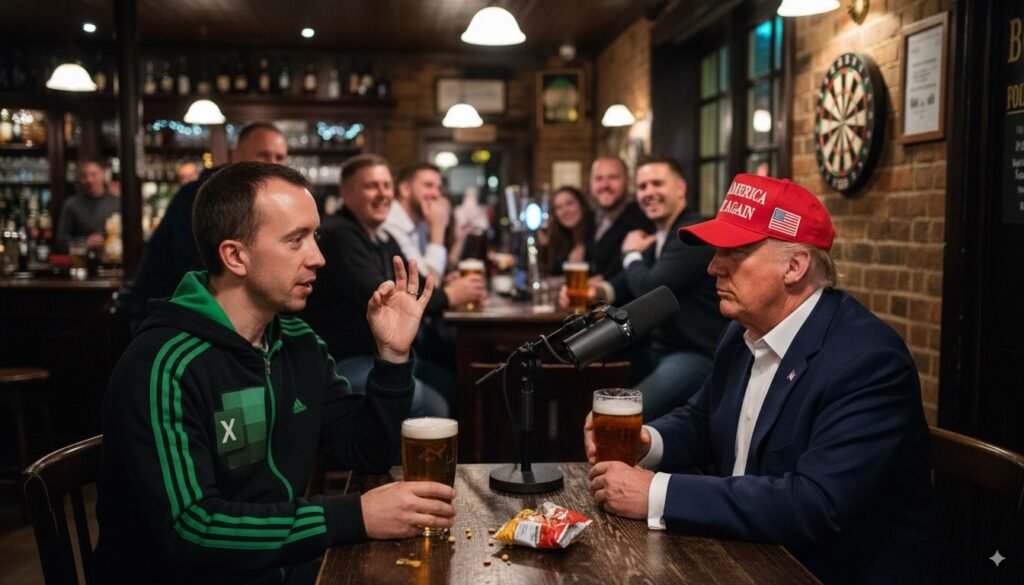
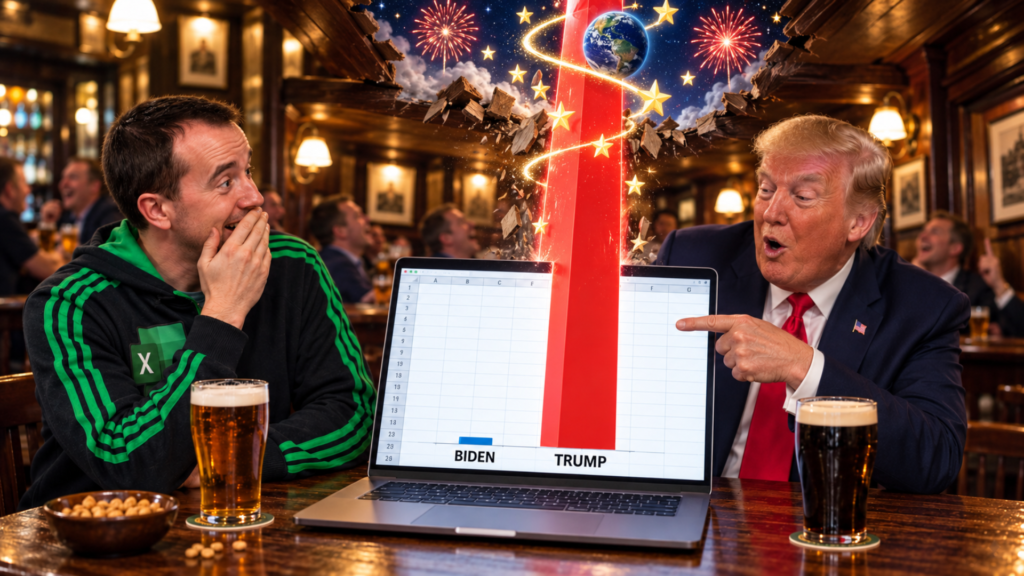
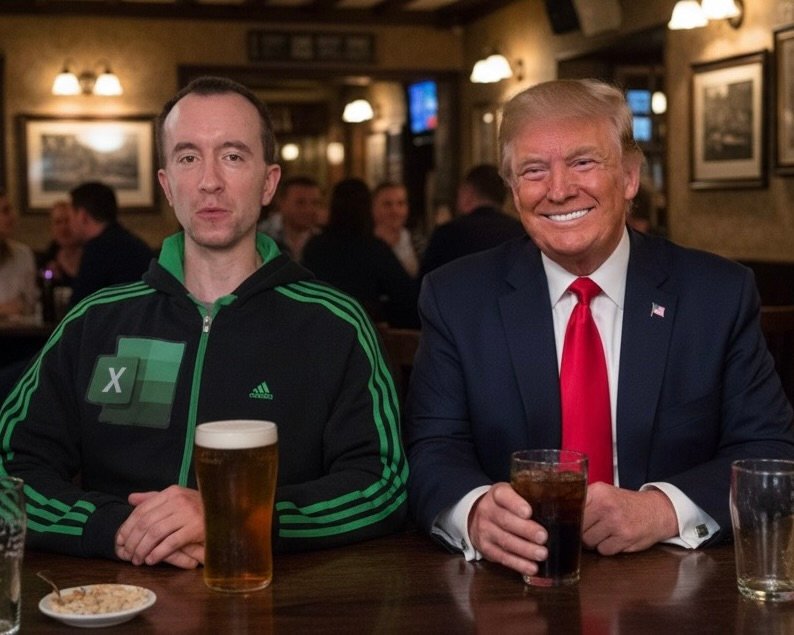
As ridiculous as my fictional story is, there’s a serious point here.
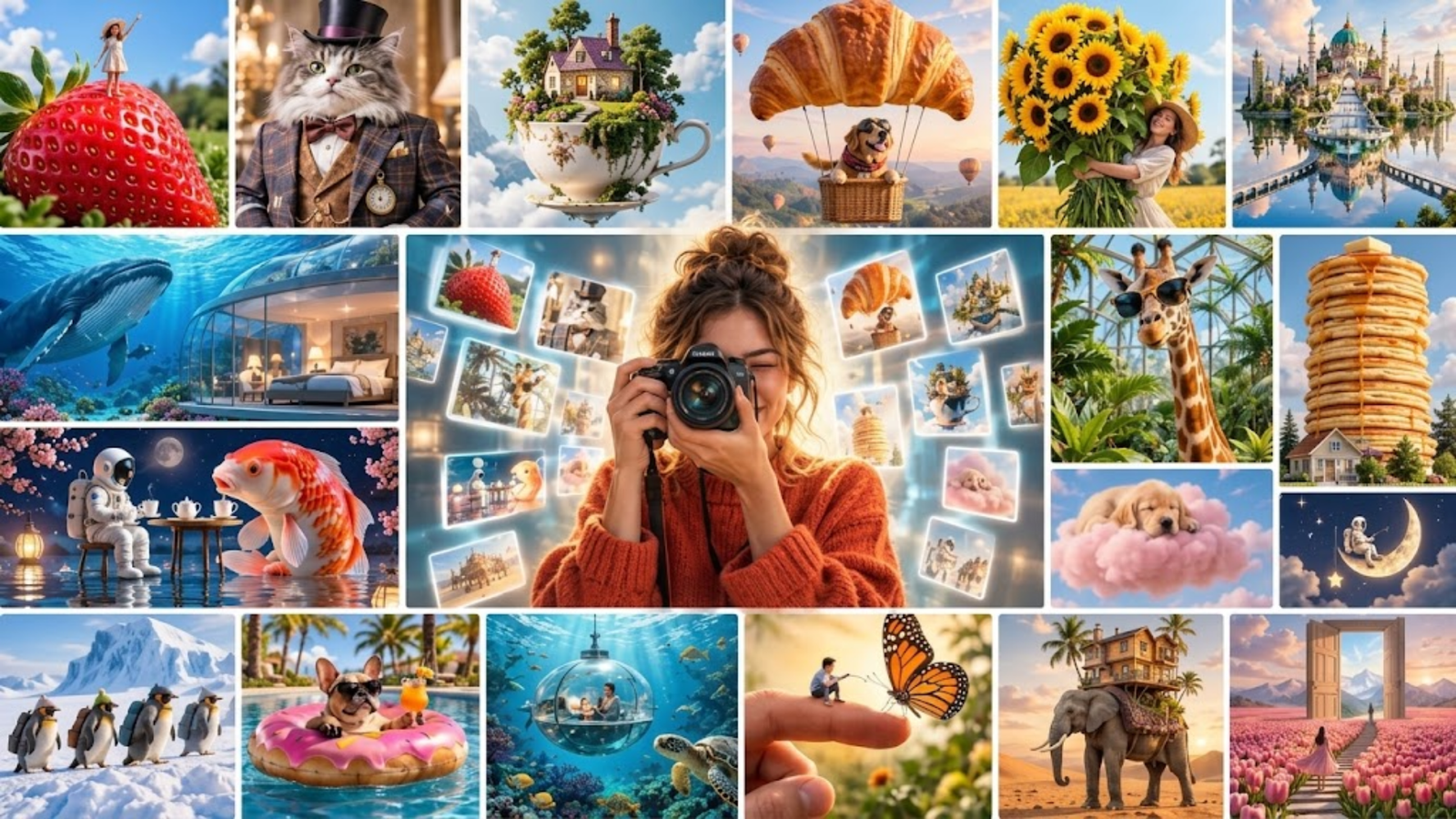
Google’s Nano Banana has only been around for little more than a week, but it’s already proving a lot of fun. It’s described as a “state-of-the-art image generation and editing [AI] model” that excels at blending images together while maintaining character integrity. While not perfect, it certainly does so a lot better than ChatGPT.
I’ve been playing around with it, creating all kinds of funny stuff — for free. You wonder, though — if this is just the starting point — you worry just how capable it’ll become.
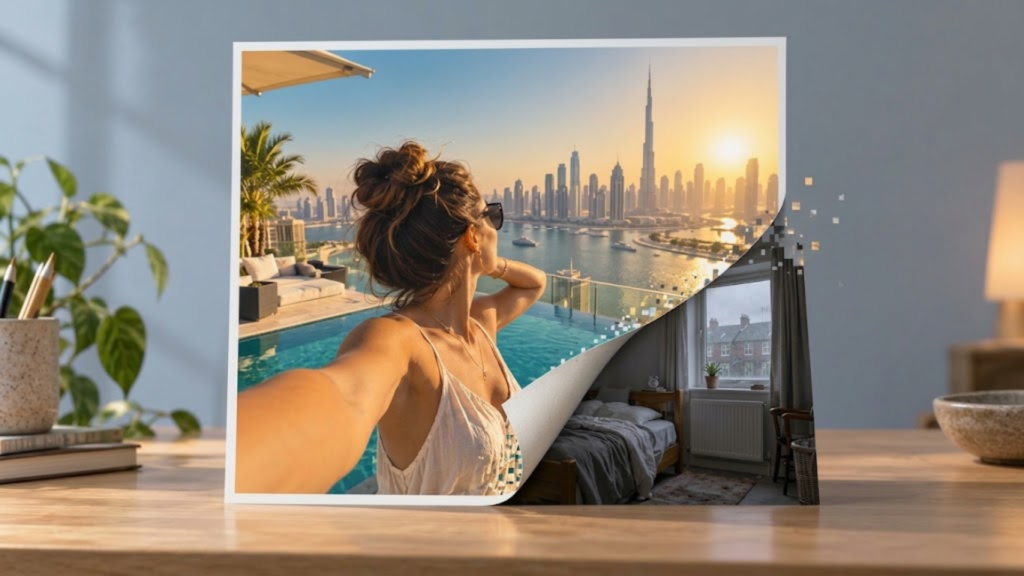
How will we be able to trust all the LinkedIn peeps who want to convince us they’re sitting on the rooftop of a waterfront apartment in sunny Dubai, flogging their get-rich-quick courses, when they’re actually sitting unemployed in their mother’s back bedroom in rainy Doncaster?
Welcome to the new age of bullshittery.