‘Football is for everyone’ — yeah, right


There’s a certain irony about FIFA’s anti-discrimination campaign.
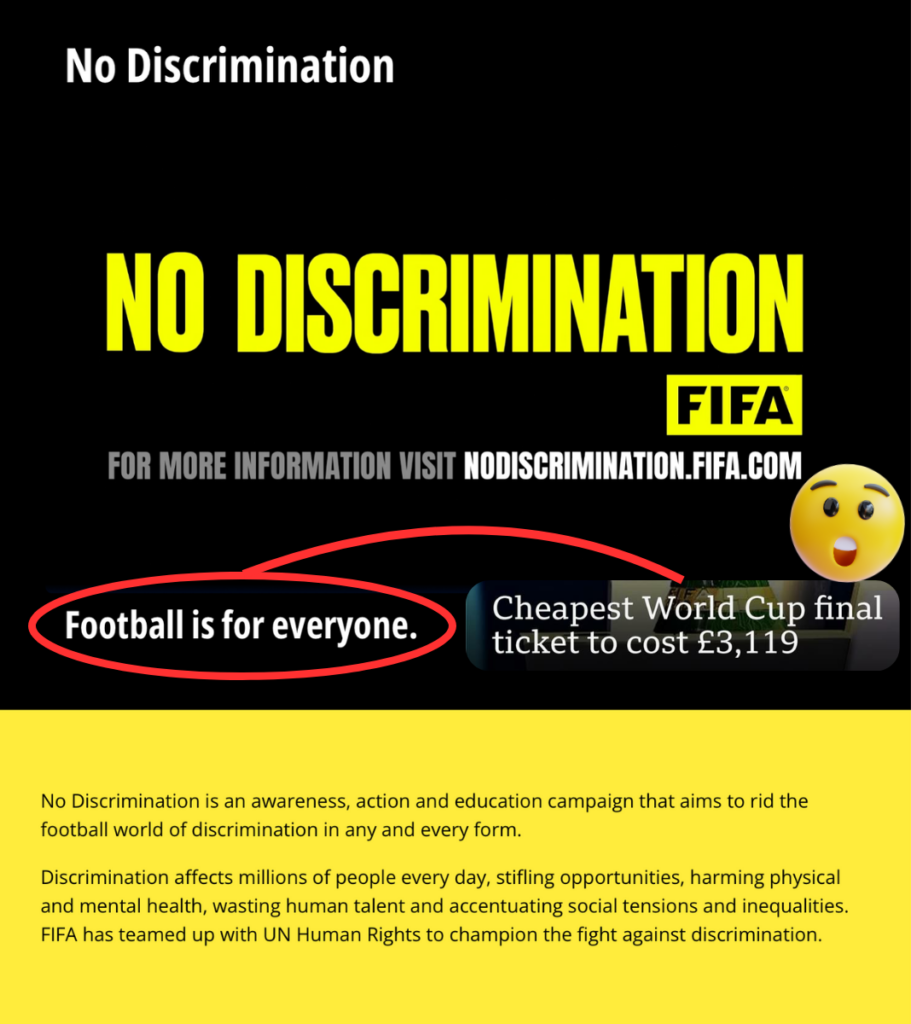
Using platitudinous slogans like “no discrimination” and “football is for everyone”, but then announcing World Cup ticket prices that are beyond the reach of most, is contrary to the very principles FIFA claims to support.
Back in 2017, it was announced that the 2026 tournament in the USA, Canada, and Mexico would be expanded from 32 to 48 teams. For many smaller nations, this was exciting news, as it meant a greater chance of qualifying.
However, any dream of a once-in-a-lifetime trip to experience sport’s greatest prize was scuppered just a few days ago.
Haiti will be one of the poorest nations to appear. The average Haitian — who earns $147 (£110) a month — would have to spend more than four months’ salary just to watch their team play in three group matches.
But even in the most developed countries, those on medium incomes will be squeezed as well — and this is just for individuals.
A family of four, for example, would likely have to pay tens of thousands of pounds, factoring in the cost of tickets, flights, accommodation, food and drink, and everything else.
Even after accounting for inflation, higher incomes, and general cost increases, the 2026 World Cup is guaranteed to be by far the most expensive ever.
So if ordinary people can no longer afford to go, who exactly is the World Cup being staged for?
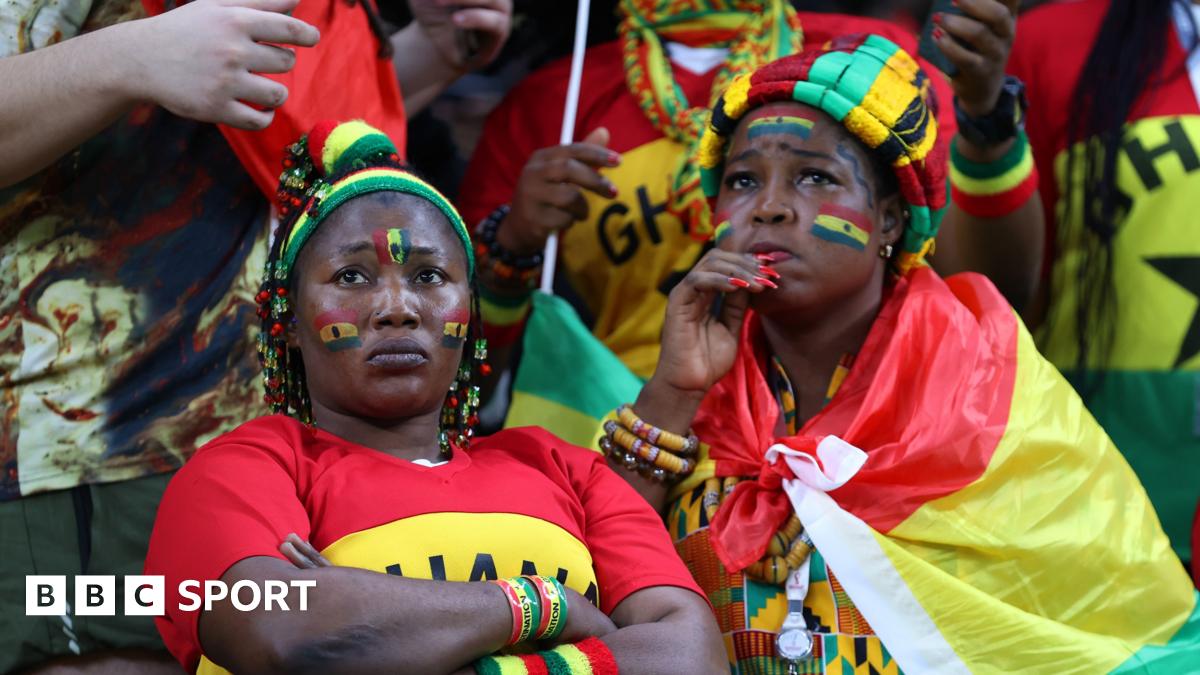
The answer is corporate executives, sponsors, wealthy neutrals, and a narrow global elite. These are not the people who bring the colour and carnival atmosphere to town, so you wonder what effect it’ll have inside stadiums.
A tournament that welcomes more nations on the pitch while excluding their supporters from the stands cannot credibly claim to be inclusive.
I look forward to next summer, but I’ll be watching the action at home or in a pub — I’m relieved to say.