
EXCEL IS 40! 🥳


Happy birthday to Excel!
Check out my video reflecting on its beginnings and the path that led to where it is today.
Watch the video
Transcript
Microsoft Excel is 40!
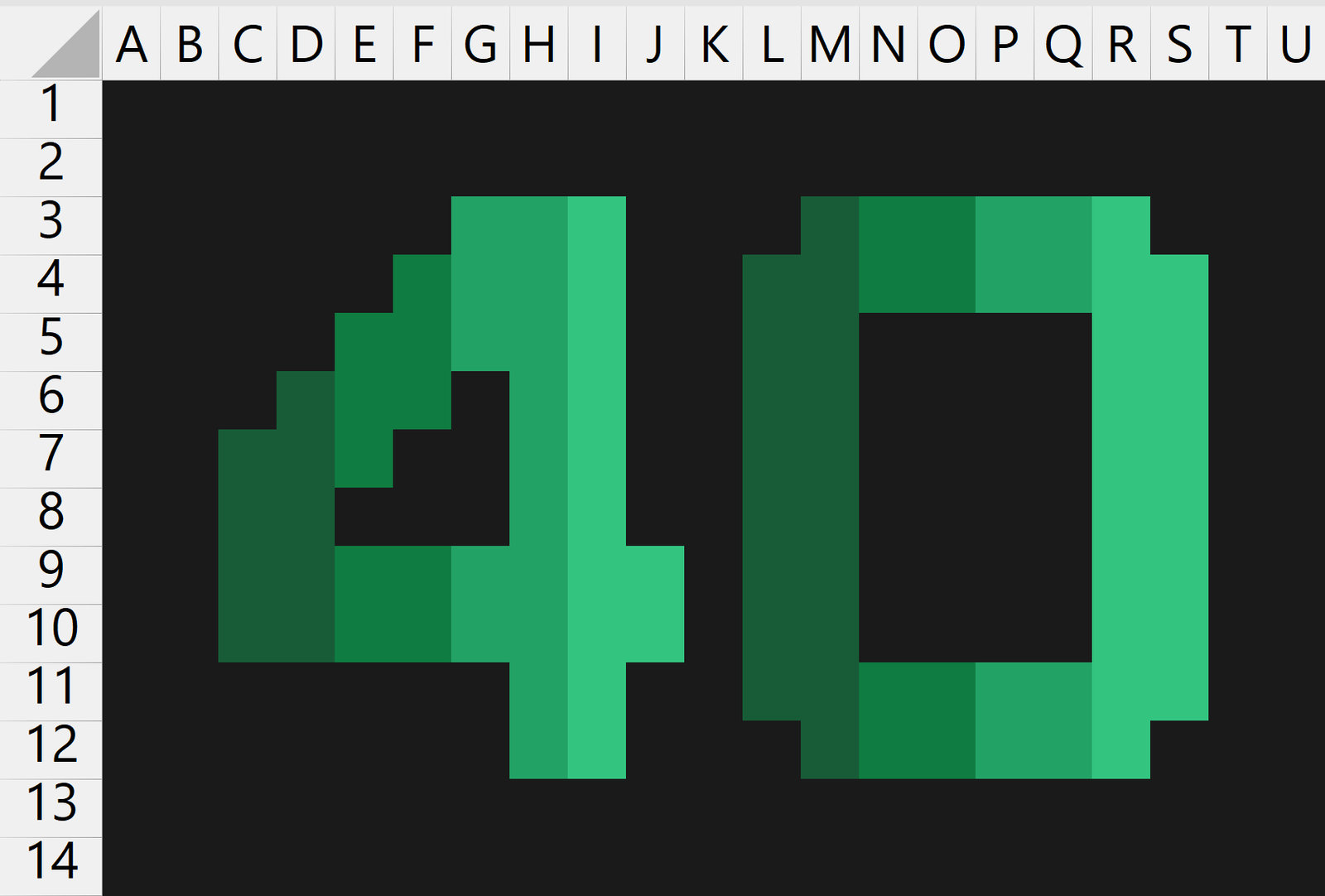
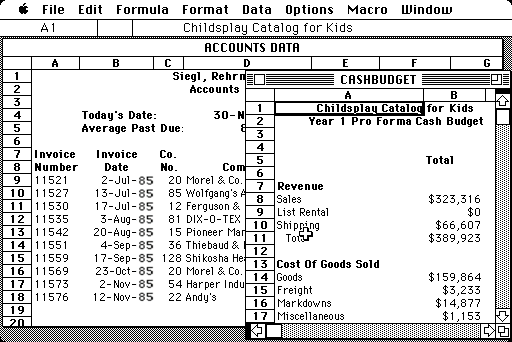
That’s right. It was on 30th September 1985 when the world changed forever, thanks to the launch of this groundbreaking spreadsheet program on the Macintosh.
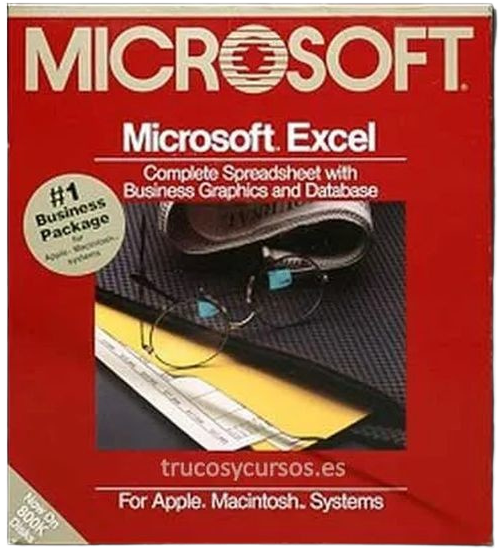
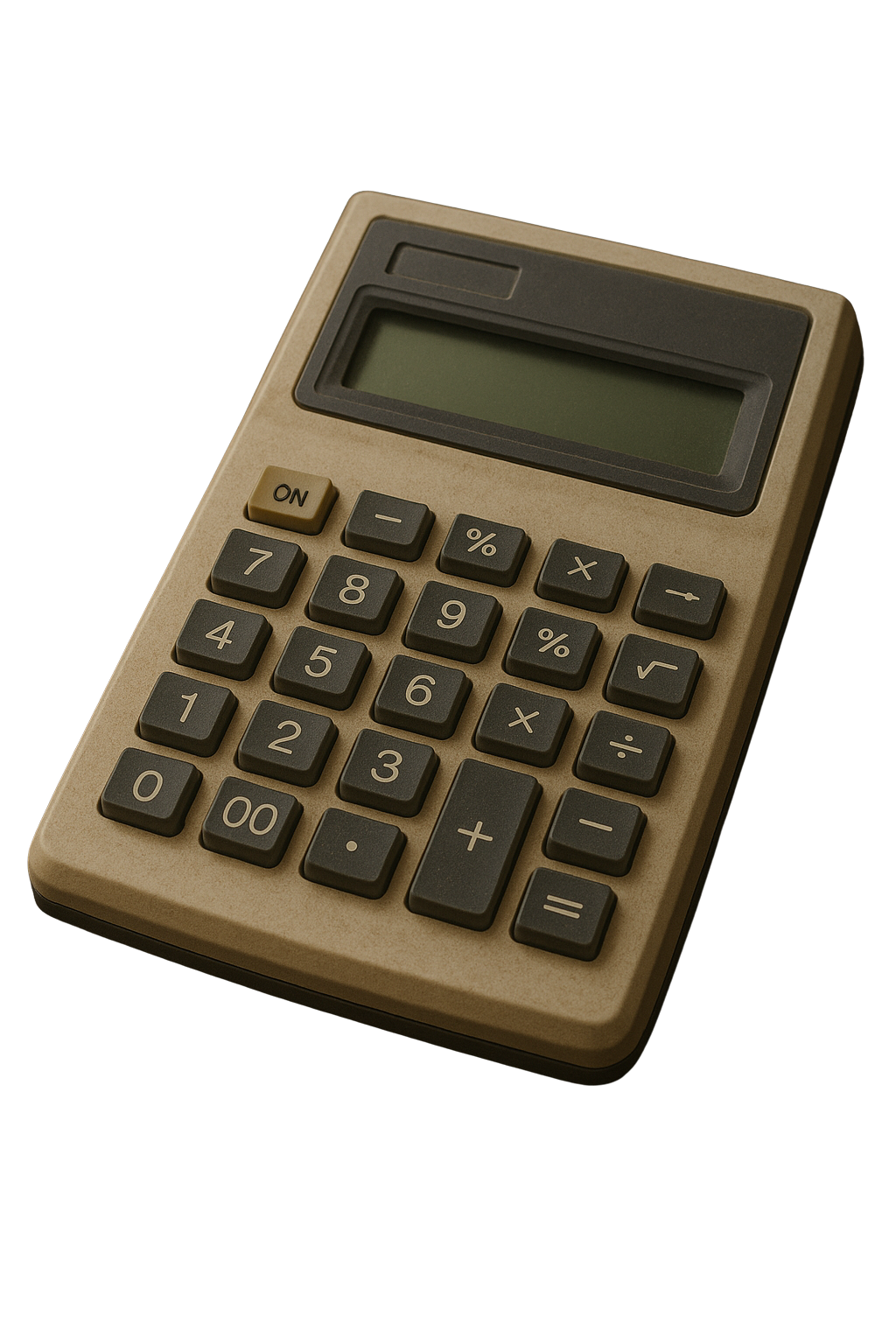
At last, we could say goodbye to dusty ledger books, goodbye to clunky calculators, and hello to a digital tool that could crunch numbers, build charts, and organise data like never before.

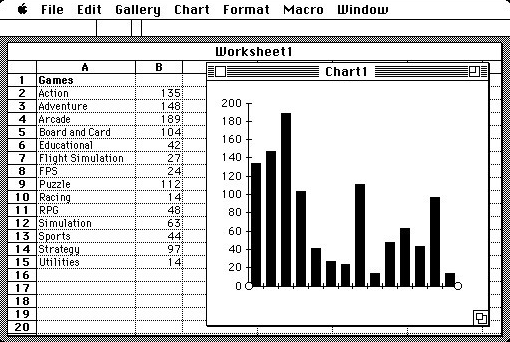
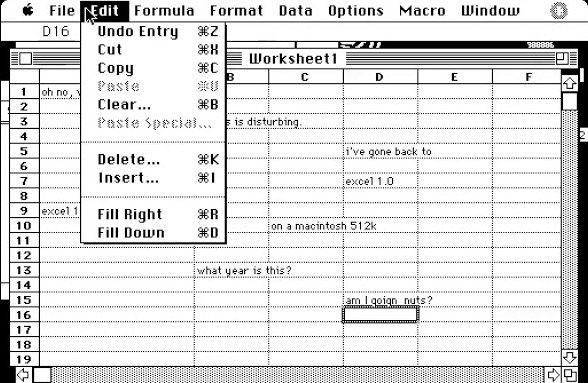
Admittedly, it wasn’t the first application of its kind.
There was VisiCalc, SuperCalc, Multiplan, and Lotus 1–2–3 that came before.
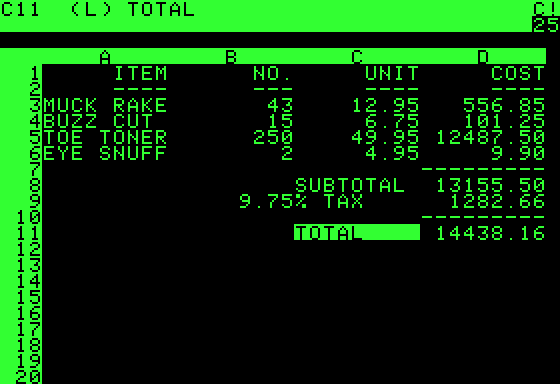
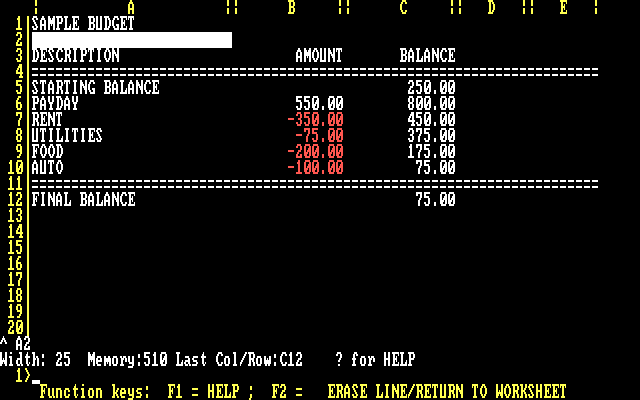
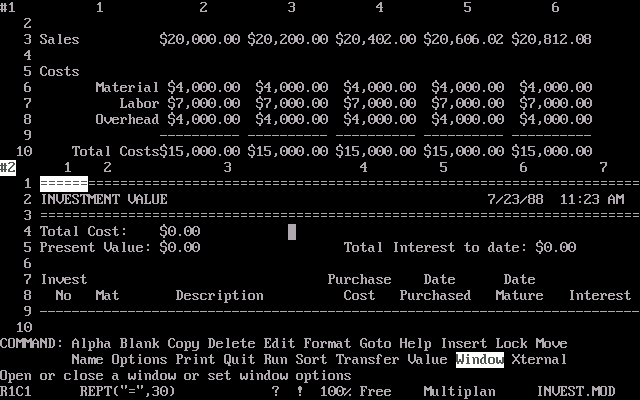
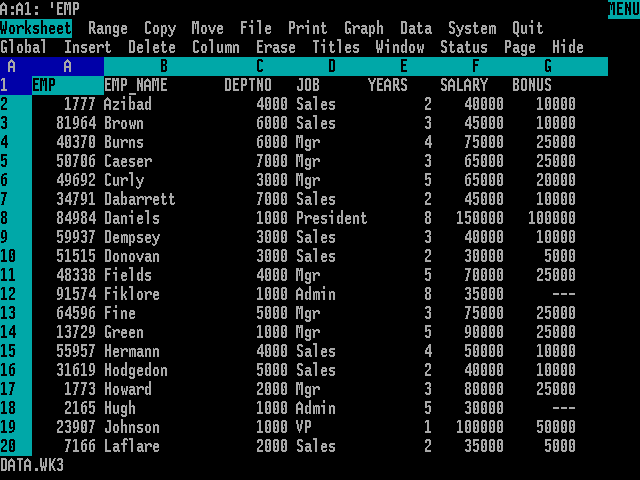
But where are they today?
Excel is the only one to stand the test of time despite facing stiff competition in the modern day from the likes of… Google Sheets… Apple Numbers, and… LibreOffice Calc…
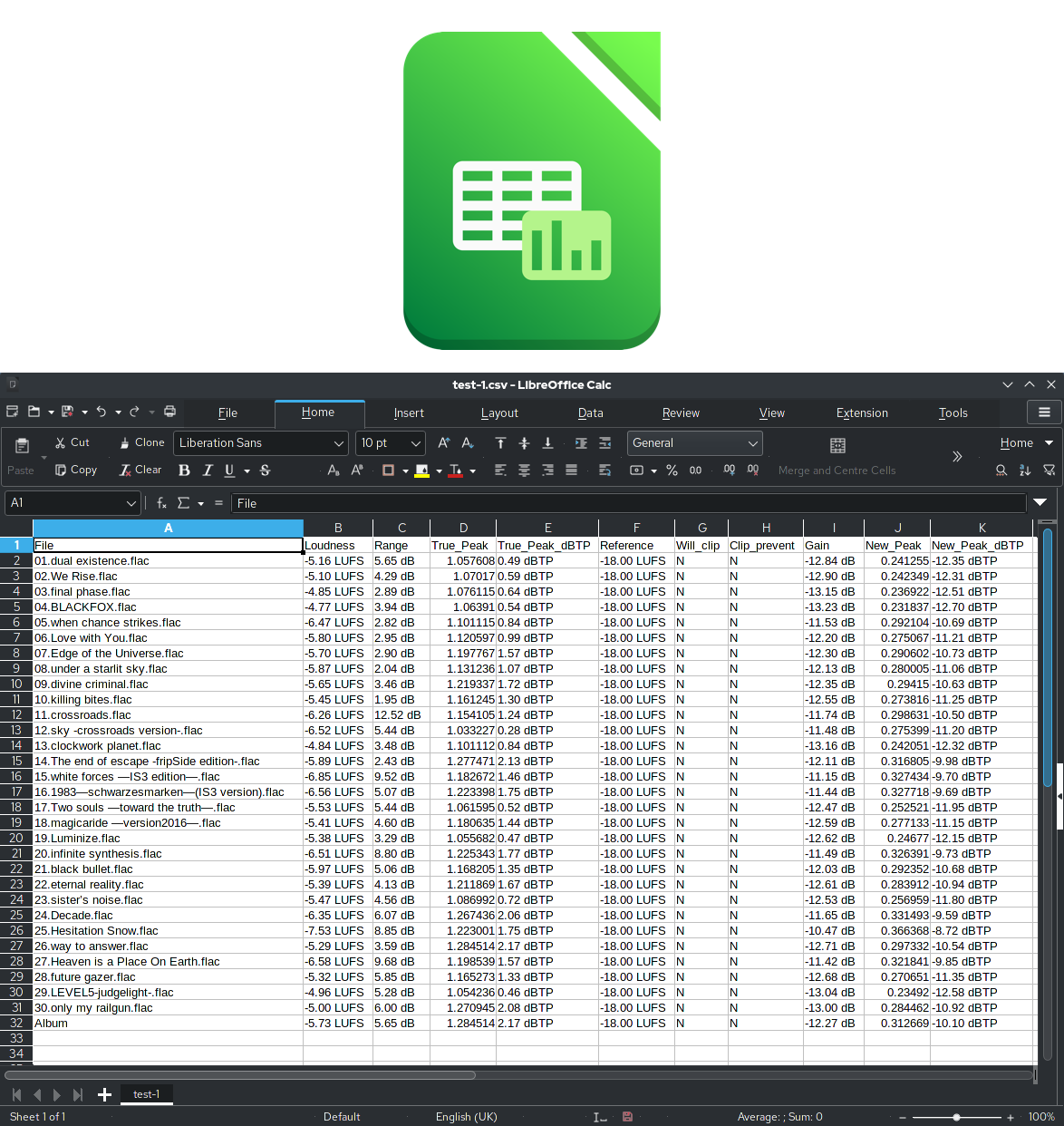
Oh, come on. Don’t be so harsh!
But anyway, it was the early 90s when Excel really began to dominate.
With the release of Windows and Excel 2.0 arriving in 1987, Microsoft had finally found the perfect partner for its spreadsheet.
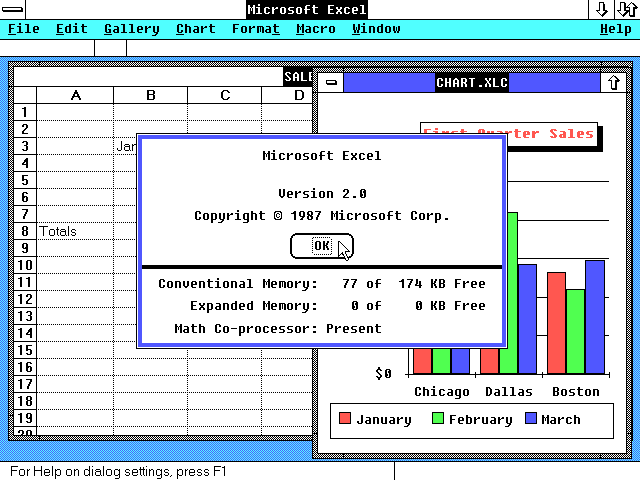
Lotus 1–2–3 was slow to adapt to the new world of graphical interfaces, and that gave Excel the opening it needed.
From that moment, it never looked back.
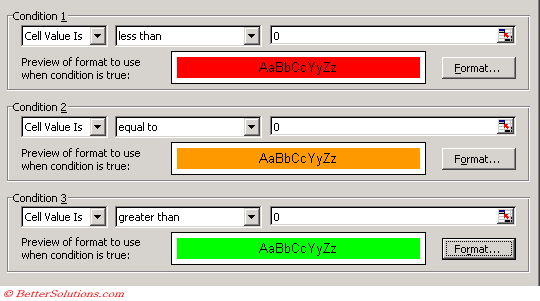
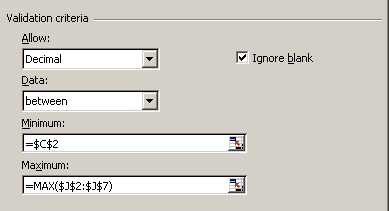
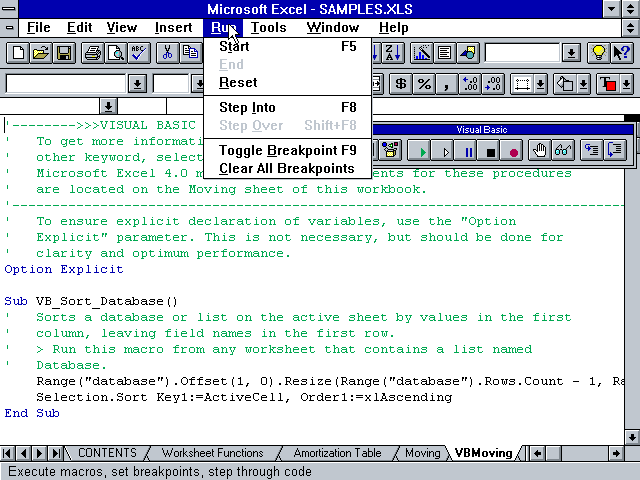
In the 90s, pivot tables, conditional formatting, data validation, and VBA came our way.
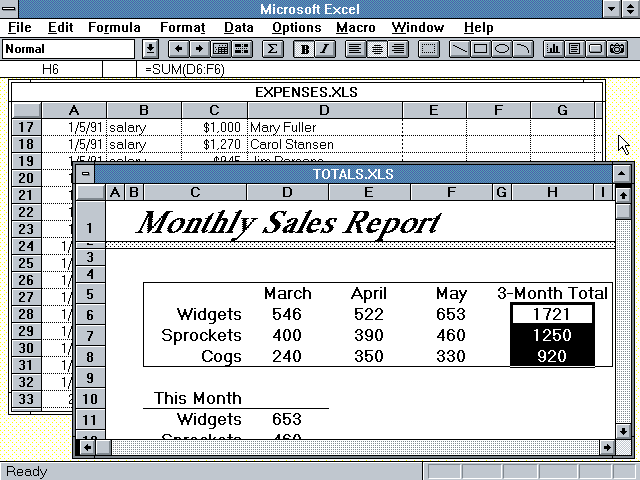
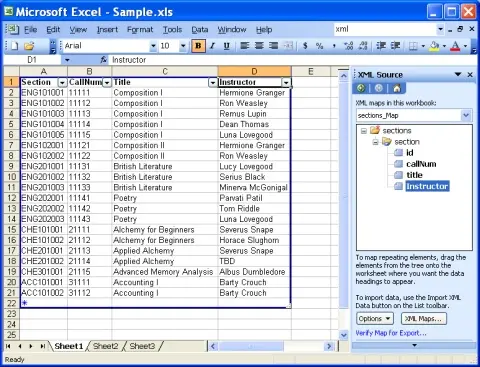
In the 00s, we got XML file support, which paved the way for the familiar XLSX file format in 2007.

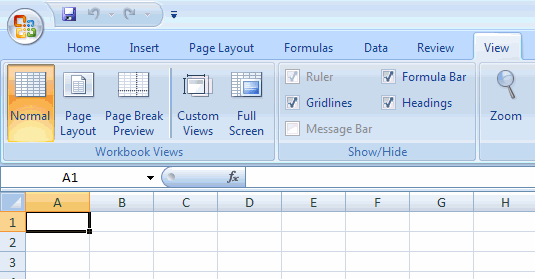
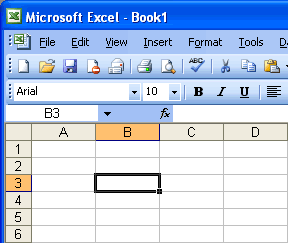
Indeed, Excel 2007 was a real milestone, as it brought a fresh interface called the ribbon, replacing the ageing toolbar and menu bar we had become accustomed to in so many programs.
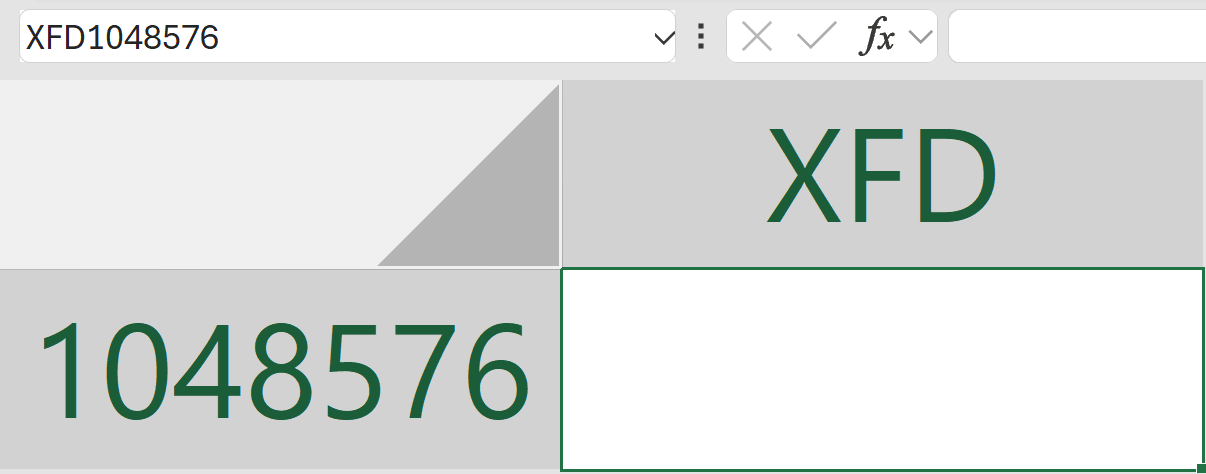
It also gave us a far bigger grid to work on.
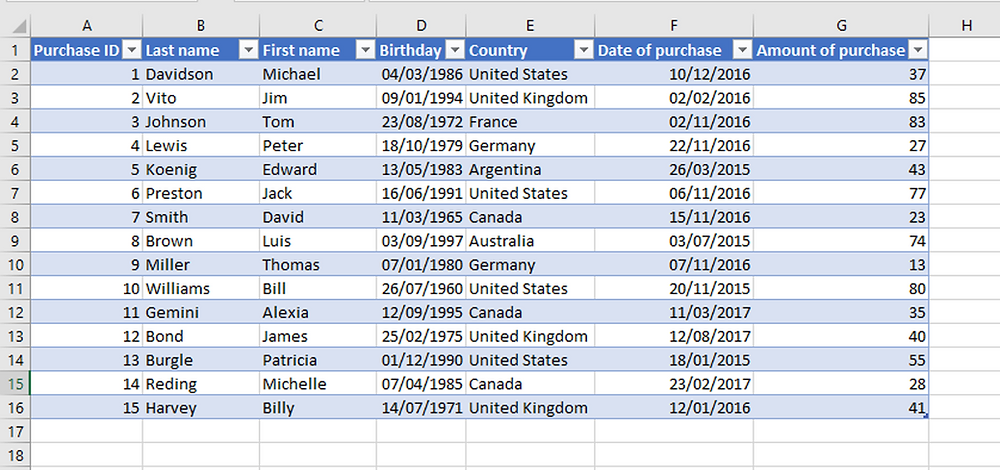
It gave us tables, which many people still aren’t using eighteen years later — although you can say that about a few things, to be fair!
Anyway, I digress.
The 2010s took Excel to another level.
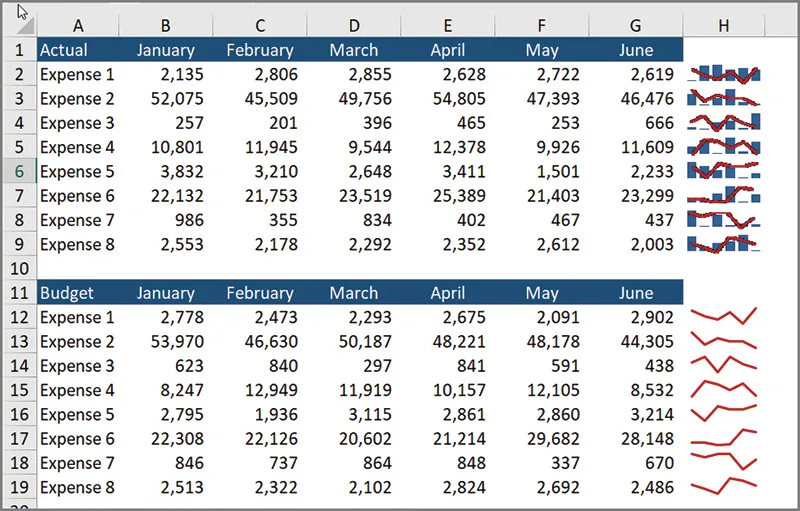
Sparklines let us tell stories with tiny charts right inside a single cell.
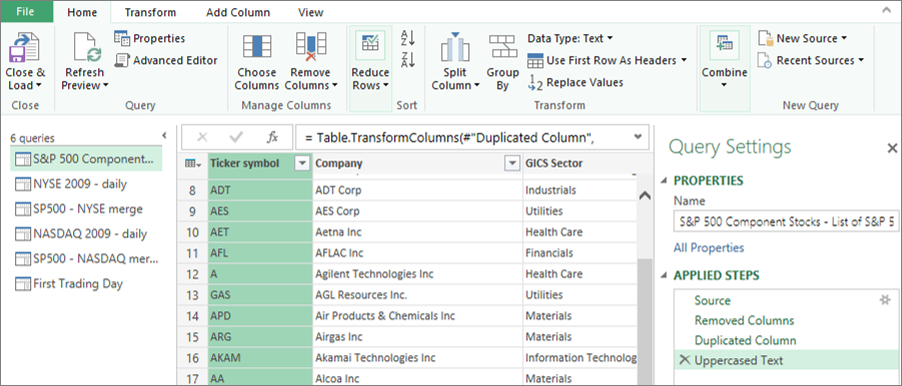
There was Power Query, letting you pull in data from almost anywhere to clean it, shape it, and refresh it with a single click.
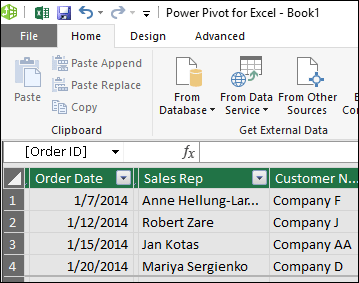
Alongside it, Power Pivot and the Data Model gave Excel the muscle to handle millions of rows with ease.
Then came the 2020s, and changes began to come thick and fast.
With perpetual versions consigned to the gutter, Excel for Microsoft 365 became a must-have.
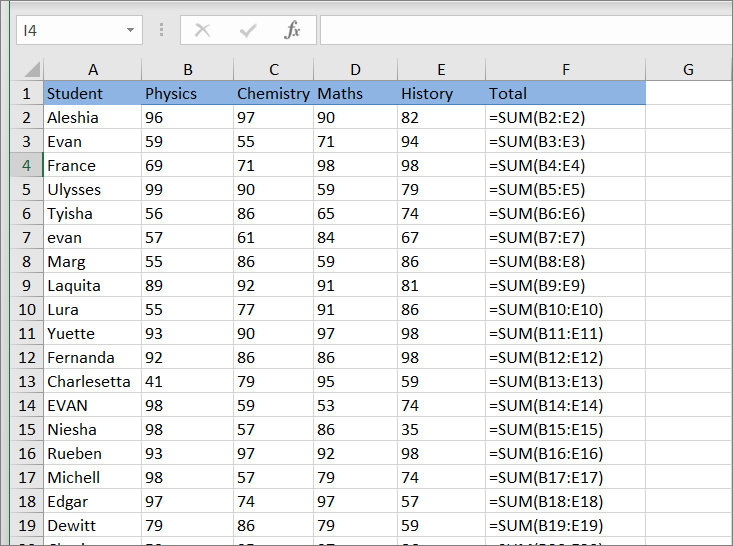
The new calculation engine burst onto the scene, completely revolutionising the way we write formulas.
No longer did we need tens, hundreds, or thousands of formulas to get the job done.
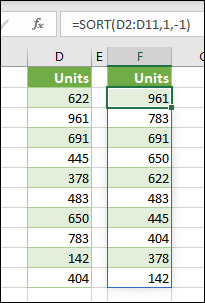
Dynamic arrays suddenly let us do a hell of a lot with just a single one.

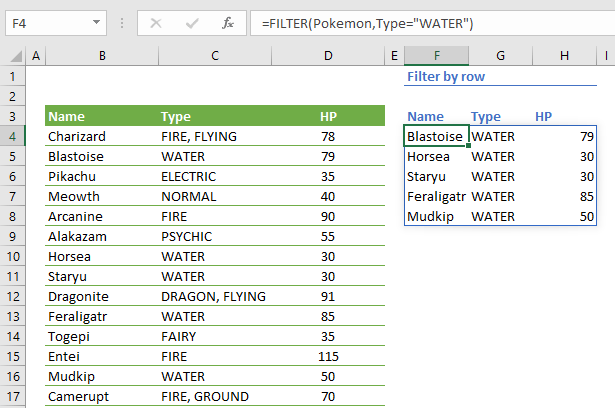
This coincided with the rollout of new functions almost monthly.
We had XLOOKUP, FILTER, SORT, UNIQUE, SEQUENCE, RANDOMARRAY, LET, LAMBDA.
Goodness me!
Do you want me to keep going?
TEXTSPLIT, VSTACK, CHOOSECOLS, MAP, REDUCE, GROUPBY, PIVOTBY…
I’ll stop there.
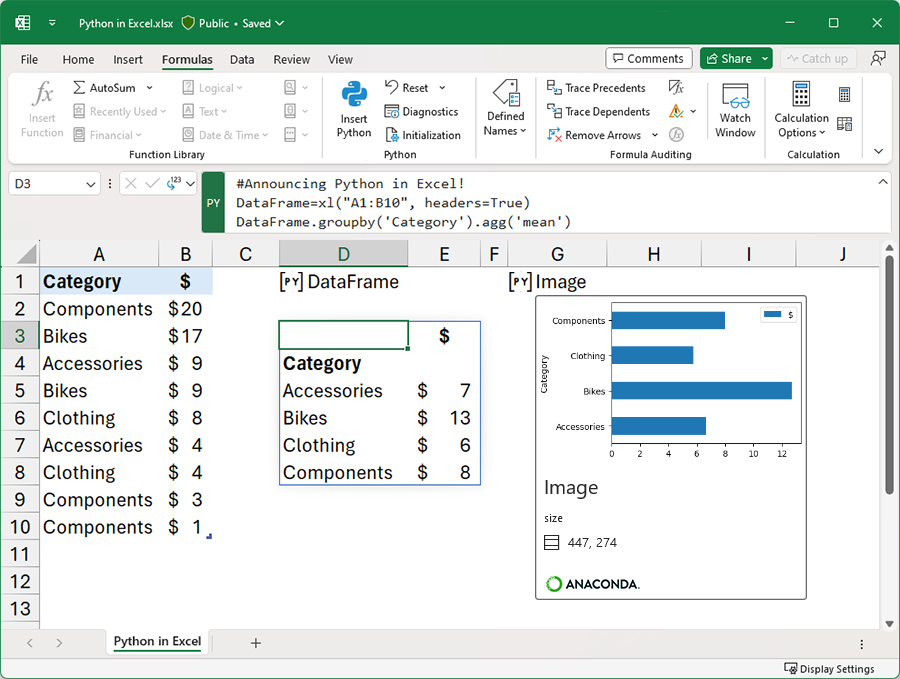
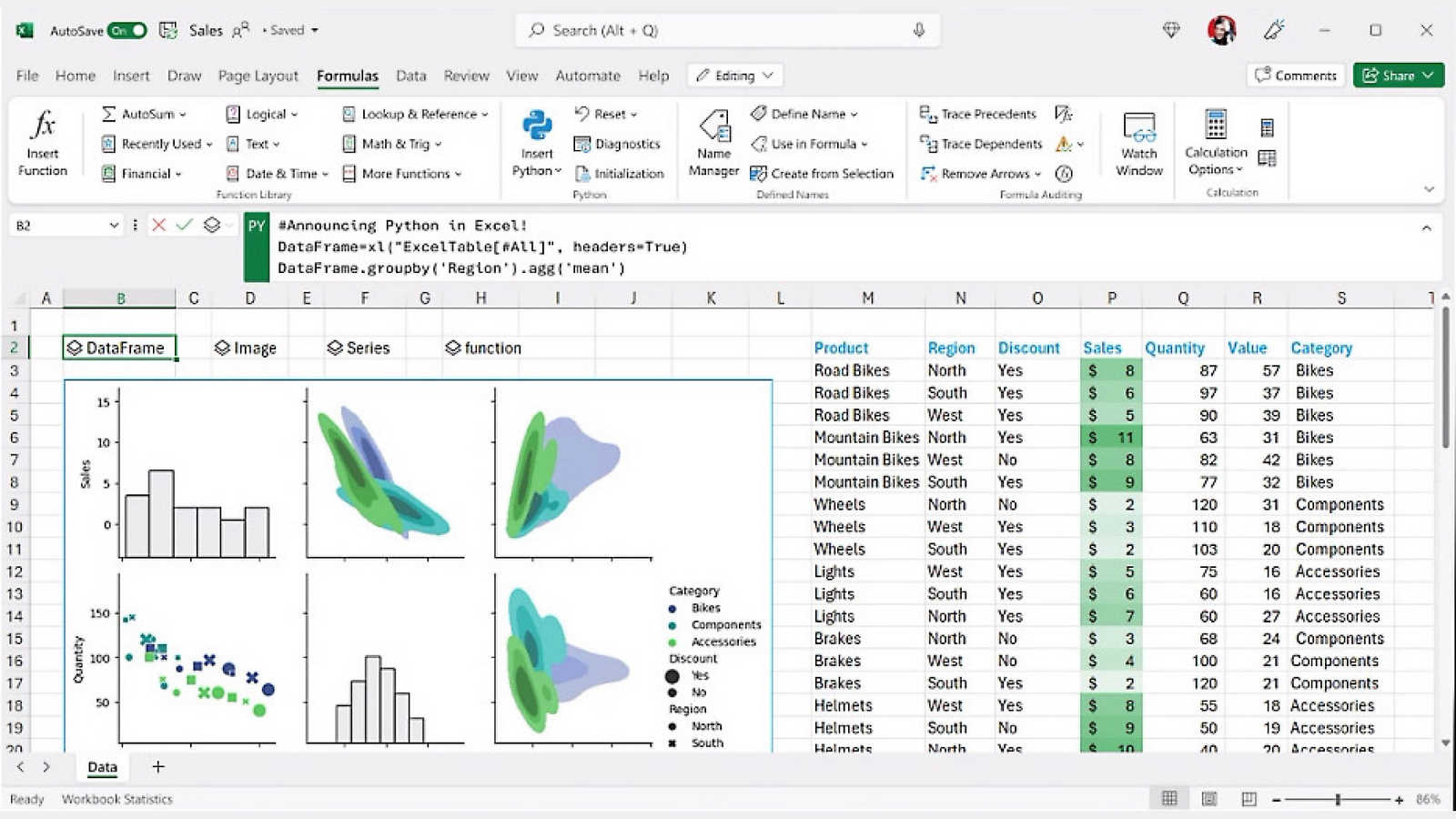
Functions aside, Python integration landed in 2023, something people had been calling for for yonks.

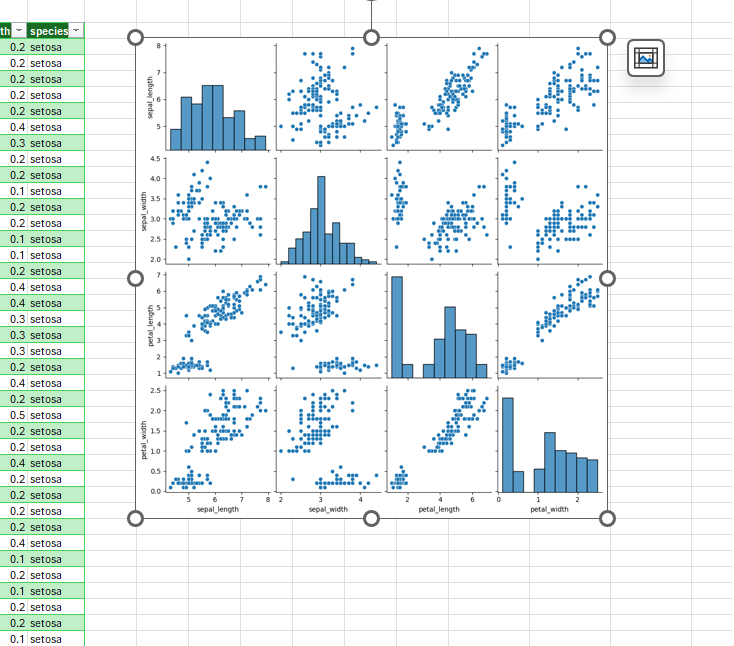
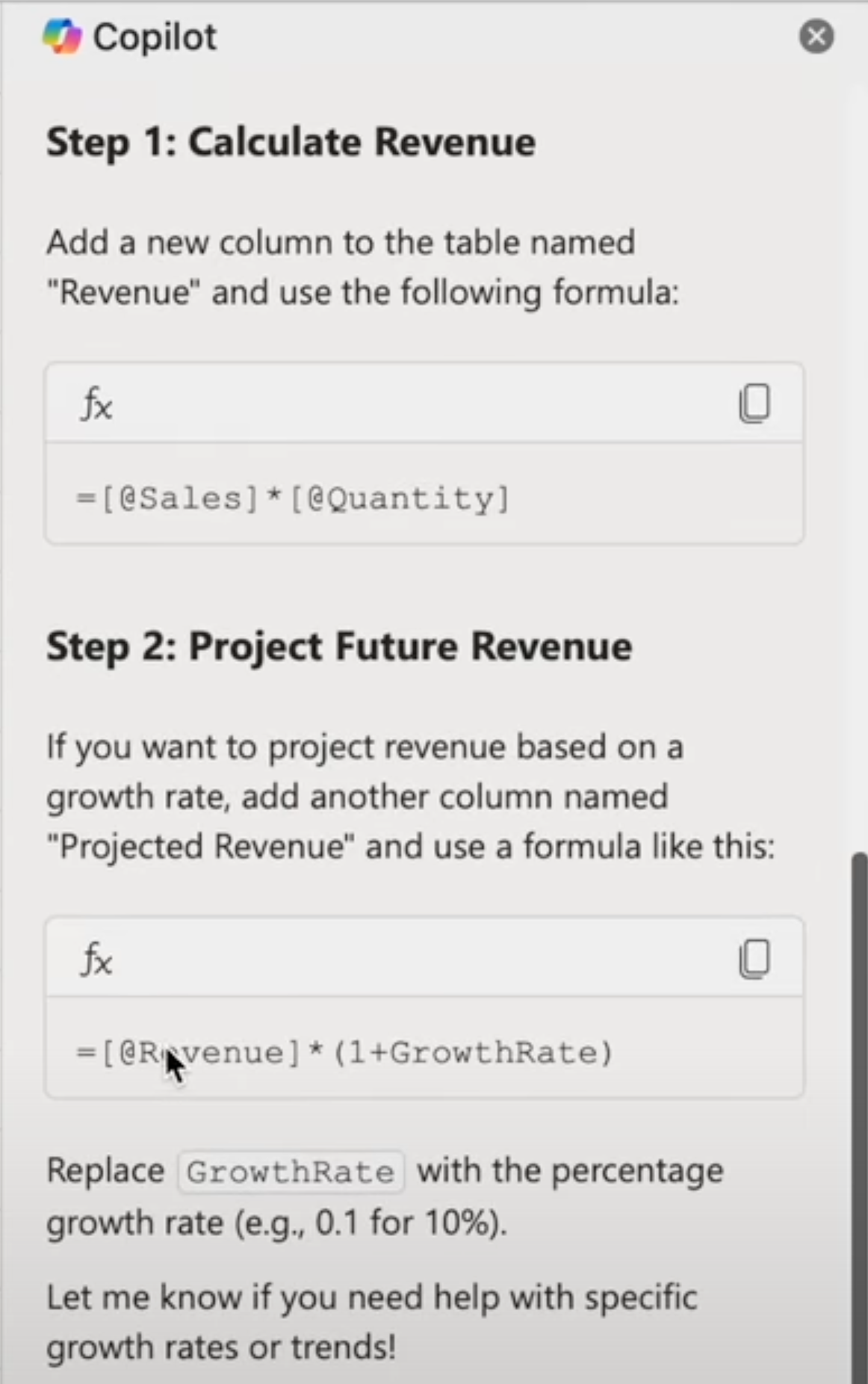
And in 2024, AI and Copilot took centre stage.
For the first time, Excel wasn’t just reacting to our input.
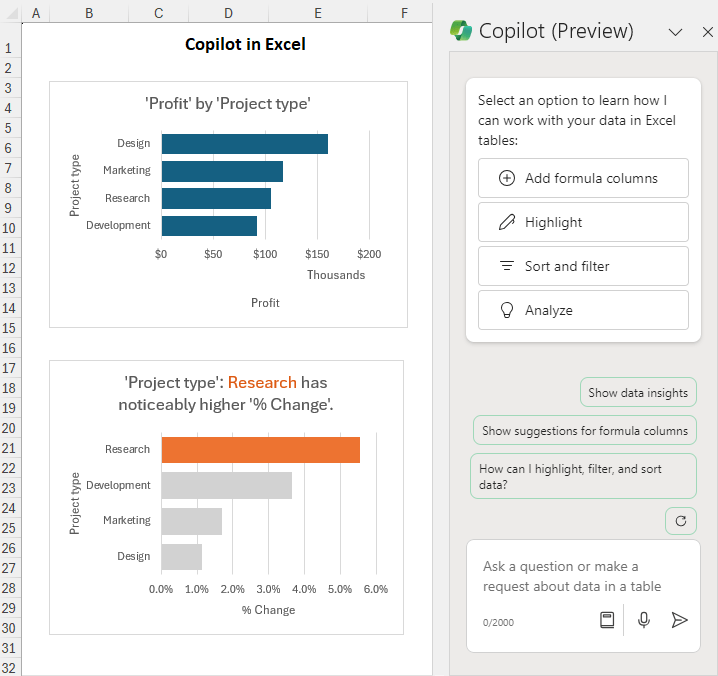
It was suggesting, explaining, and even building formulas and charts for us.
Copilot is the modern-day Clippy, albeit far more helpful, and although it’s still finding its feet, make no mistake, it’s going to shape the next era of Excel.



So for the naysayers, for the doom-mongers, and for the ‘Excel is dead’ brigade…
Here’s to another 40 years!